

The war in Iran may feel far away, but it is going to have major consequences for our digital daily lives. It piles difficulty on top of difficulty and makes the immediate future impossible to read. I think all of us who work in tech and in AI are going to have to rethink quite a few things, and fast.
Until now, the goal of this newsletter was to learn how to navigate the digital age of uncertainty and to face up to a Big Shift (geopolitics, cyber, AI).
We have entered the hard part. We are entering the digital war economy, where the security of data, of data centers and of people is now going to be critical. But not only that: we are also going to have to watch over the protection of reality itself, a common good now at risk.
This newsletter is a first, on-the-spot analysis of this tipping point. Exceptionally, it is open to everyone. If you enjoy it, please feel free to share it. And if you aren't one yet, consider becoming a paying member.
With this newsletter, I see myself a bit like a chef offering you starters (opinions on a topic), main courses (a more in-depth reflection) or desserts, like the film clubs, which are very popular.
Since launch, I have chosen to keep the price very low. Some notes are worth several times the price of the subscription on their own. A consultant told me recently that a single one of our newsletters had landed him a year-long contract.
The choice of an affordable price also reflects a desire to reach audiences beyond my initial target: students in particular, but also small SMEs, and anyone who wants to think these questions through with us.
💸 Please note: the subscription price will go up when the new version goes live. Subscribe now to lock in the current price of €99.
ℹ️ As a paying subscriber, you get access:
- to the site's entire archive,
- to all my monitoring through a private channel,
- to priority replies to your emails,
- to the events we organize,
- to the meetups of the Digital Resilience Council (Conseil de la Résilience Numérique), held on the sidelines of the conferences where I speak.
For members who will be at the FIC InCyber forum (the Lille cybersecurity forum), I suggest we get together for a drink and talk through the questions that are nagging at all of us.
Introduction
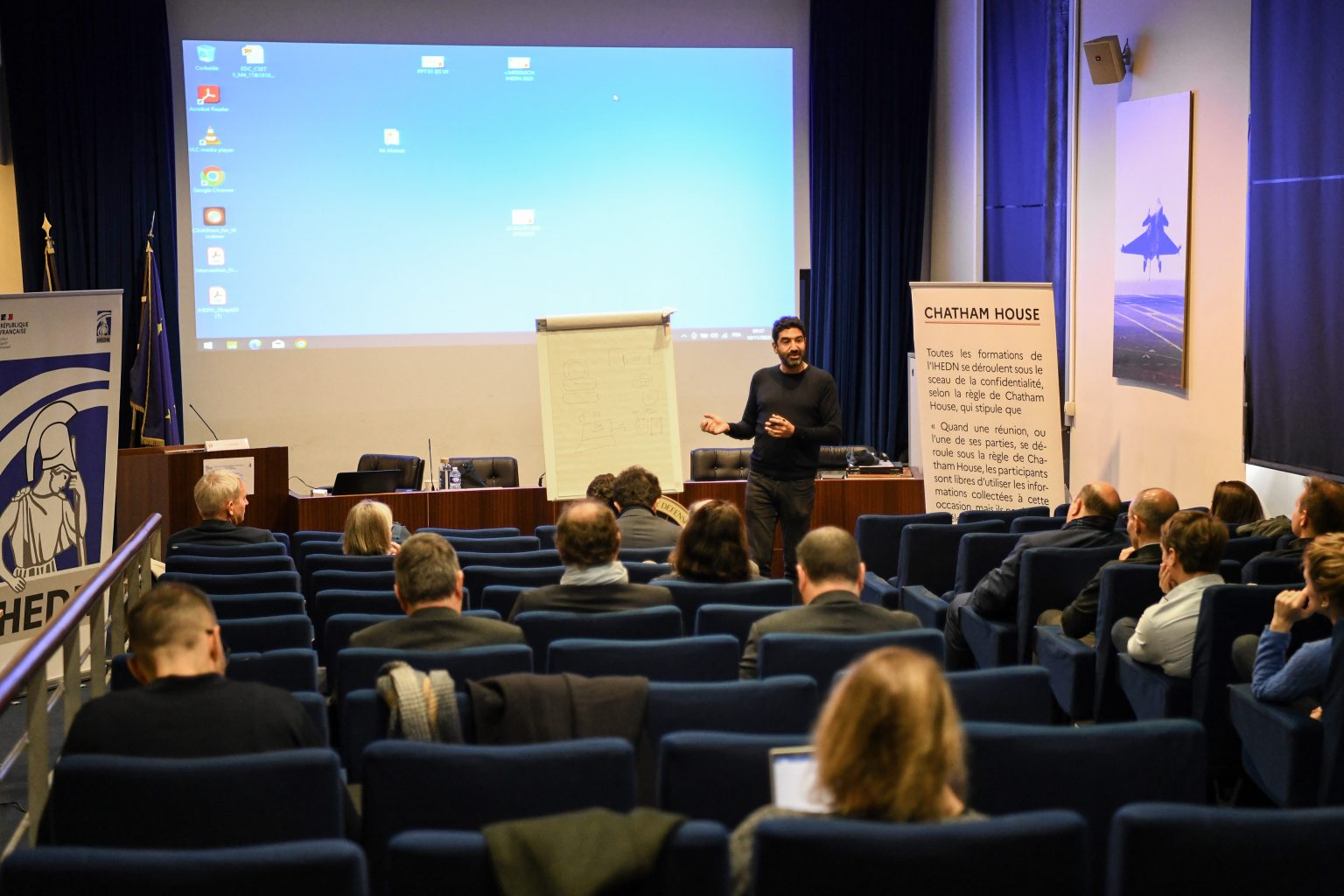
In my talk War GPT: The Age of Generative Warfare at the IHEDN (France's institute for advanced defense studies) a few years ago, the scenario of an Iran cut off from the Internet was already on the table.
Iran has often been a cyber target for the United States and Israel (Stuxnet, the GitHub cutoff), but also an active player on the cyber scene. We covered this in my very first newsletters, so I won't go back over it.
Once again, I recommend HBO's incredible documentary The Perfect Weapon (and David E. Sanger's book).
The film is hard to get hold of, but this talk at CISS is very interesting.
The situation has changed a great deal since then, because the Gulf states are now major players in AI and have convinced the big American platforms (with billions of dollars) to build a world-class technology hub. In time, the region was supposed to become the second-largest cloud and compute zone in the world (outside China).
Influencers weren't the only ones who thought they were living somewhere stable and calm. Amazon Web Services, Microsoft, OpenAI and the whole of tech thought so too. Today, some of these players must be telling themselves they should have given more thought to their strategy in the Nordic countries and in Europe, France in particular.
Except that the Nordic and Baltic countries, historically aligned with the US, are now worried about America's lack of support over the war in Ukraine and, obviously, about the Greenland episode (which has been put on the back burner for now).
The reality is that while the Gulf states had the money to attract the American players, Europe increasingly experiences this integration as a strategy of vassalization and is demanding more sovereignty.
This war therefore ramps up the pressure on the economics of AI data centers, because billions of dollars' worth of Nvidia chips have been bought and now have nowhere to be plugged in.
For those who haven't read the previous newsletters, our thesis is that there is no AI bubble, but there is an AI infrastructure bubble.
What I find truly fascinating is that at the very moment when the Gulf clouds are being targeted by drones, when companies are repatriating their sensitive data, and when everyone is starting to think about the militarized security of data centers (as we had to do for undersea cables), Apple finally releases a laptop with local AI execution capability worthy of the name.
In this newsletter we are going to sketch the outlines of what looks like the new economy of digital war. On one side the act of war, on the other the reaction. This is work done in the heat of the moment, with plenty of hypotheses.
I'll start with a question that is simple and difficult at the same time.
Who controls the one who produces the analysis that defines the threat? Anthropic? Palantir? The Department of War?
Who controls the analysis that defines the threat?
Overnight, Anthropic has become both the most powerful and the most threatened company in tech.
The most powerful, because its products are wiping hundreds of billions off the markets in anticipation of the complete disruption of the software world, and of the financial sector too, but also because the spectacular rise in its revenue seems to have devoured ChatGPT's, with a lower valuation and a position on agentic AI that looks "untouchable".
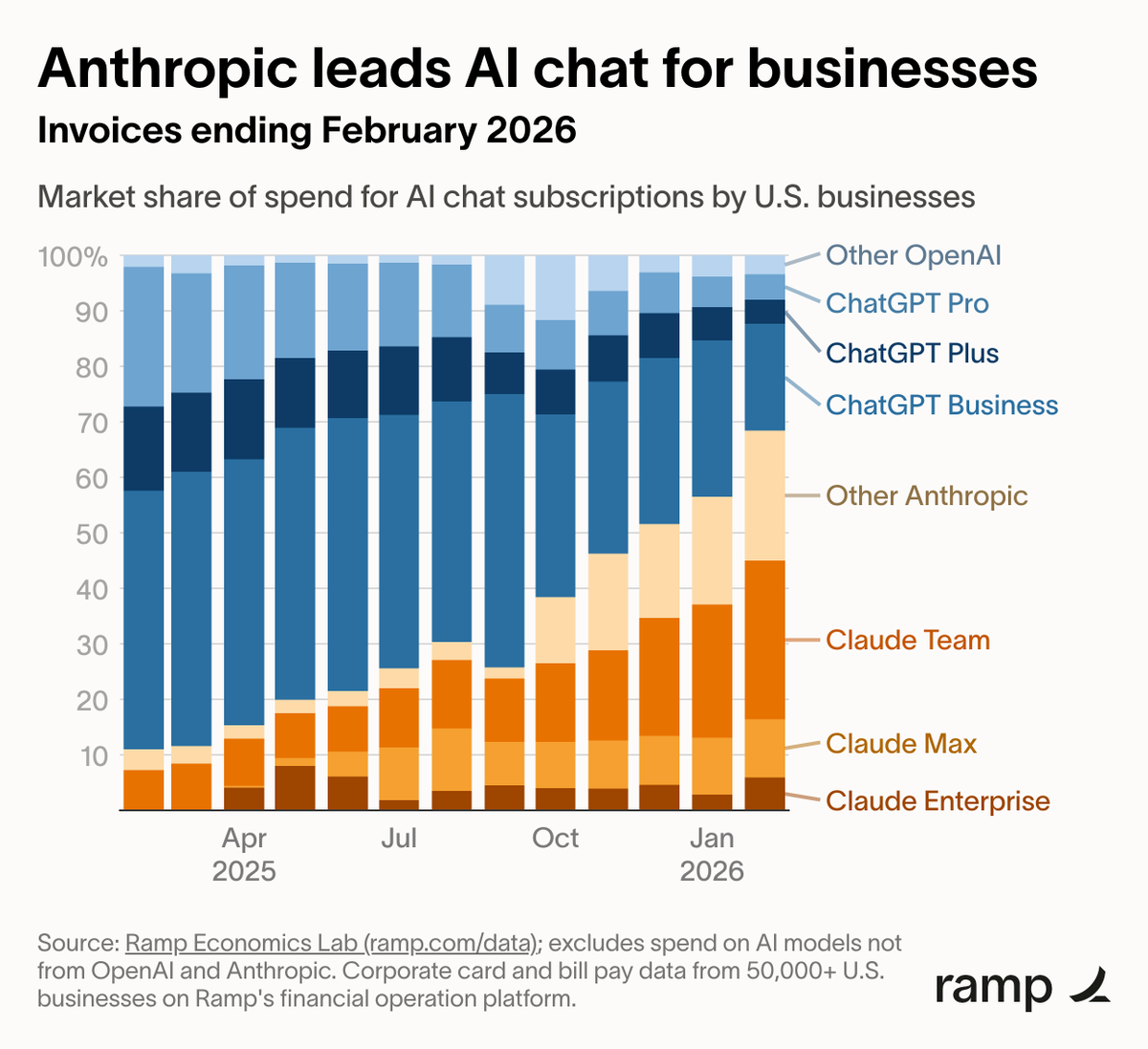
So why go all out to "destroy" it?
The United States is not in the habit of destroying its own technology champions, which makes the Pentagon's decision rather troubling. Simply terminating the contract would have been enough. Let's not forget that the country's entire retirement savings rest on the performance of the markets. And Anthropic is preparing one of the largest IPOs in history.
The fight over Anthropic can be read in several ways: as a clash between Silicon Valley and the players loyal to the US administration; or, as I said in my previous newsletter, as a power grab by Palantir.
 Tariq KRIM

Last week's newsletter.
This player, very close to the White House, has seen its Maven contracts with the military expanded to $1.3 billion. Showing any sign of weakness is not an option.
The Maven Smart System, launched in 2017 under the name Project Maven (Algorithmic Warfare Cross-Functional Team), aggregates satellites, drones, ground sensors and surveillance aircraft.
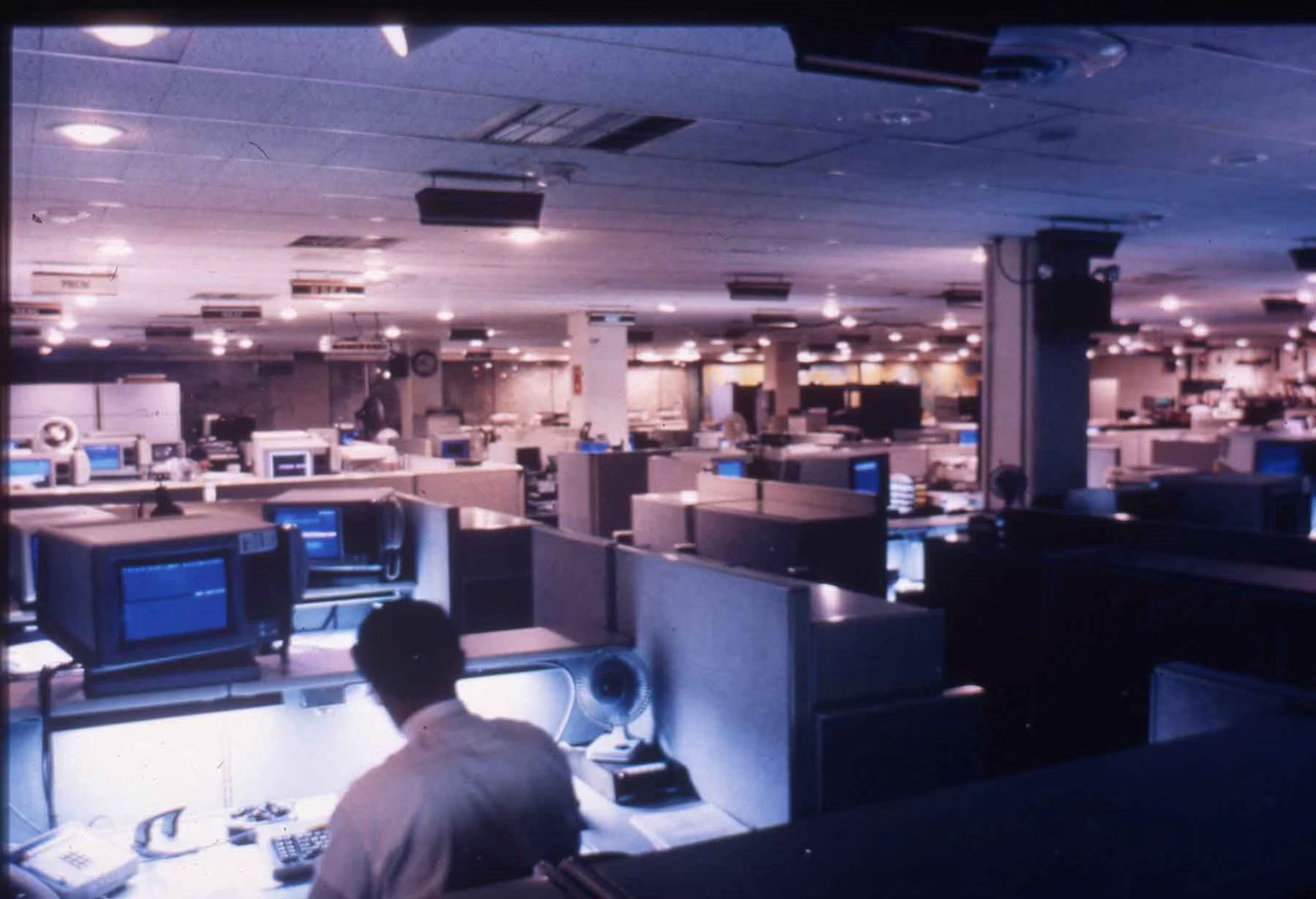
But its creation was not straightforward. In 2018, thousands of Google employees (including Signal's Meredith Whittaker) signed a petition against the company's involvement in Project Maven. Google pulled out. Palantir took over the contract. Today the contractors include Palantir, Anduril, Amazon Web Services and, until recently, Anthropic.
The war in Iran appears to be the first digital war to make such massive use of large language models (AIs of the ChatGPT or Claude type). The director of the NGA (National Geospatial-Intelligence Agency) has just announced that during Operation Epic Fury, 20 analysts did the work that 2,000 did during the Gulf War.
This "compression of decision-making" obviously brings its share of ethical questions. The site phrasemaker estimates that a target is chosen, that is, a life-or-death decision is made, every 20 to 45 seconds.
Impressive (or horrifying) as the numbers are, they mask two important realities.
The first: the intelligence agencies' monopoly is over.
Bilawall Sidhu, a former Google Maps product manager, working from open-source data, used the OpenClaw agentic system to retrieve all the data before the caches were wiped, and rebuilt a geospatial command post at home.
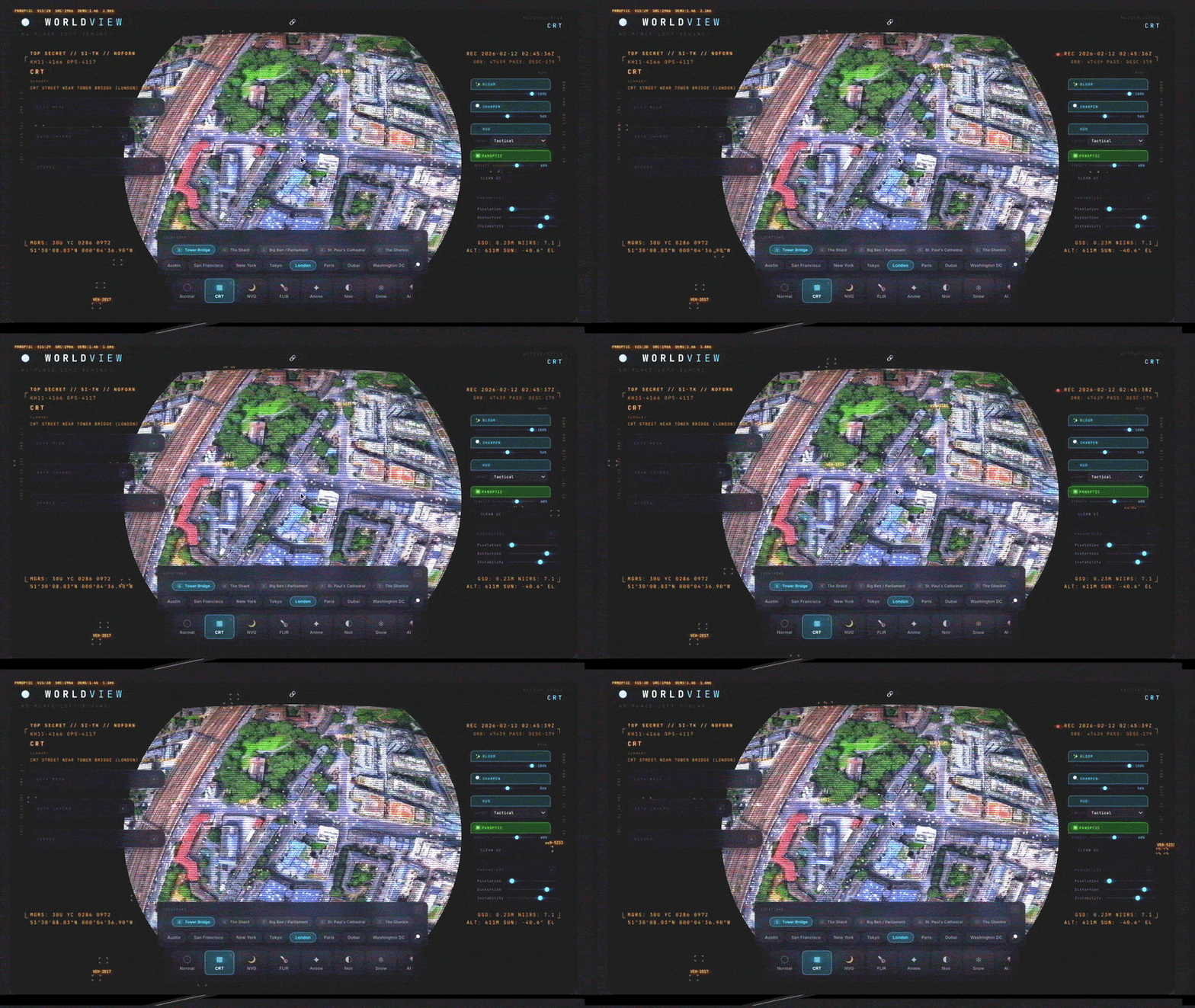
Named WorldView, it can give us, for instance, a minute-by-minute replay of the first day of the attack on Iran.
Note that the title of the video really is Ex-Google Maps PM Vibe Coded Palantir In a Weekend (Palantir Noticed)
Last week we were talking about this possibility. It is now a reality.
The second reality is more muted and more fundamental.
Who has the power to define the threat?
What is at stake right now is not only access to markets or contracts, but defining who has the power to produce the analysis that will then serve as the basis for military and political decisions.
AIs like Claude, connected to the right data, make it possible to reinforce the narrative the administration wants, but also to deconstruct it more easily.
We have often talked about information interference and epistemic warfare to describe Russian action in Europe and the United States, but now this battle is taking place at the very heart of the intelligence apparatus and the military. The goal is control of the cognitive tools and the political capture of how reality is interpreted.
In our post-reality era, controlling the cognitive tools means controlling how a society understands the threat.
With a dizzying question: who still has the right to produce a legitimate, alternative reading of the threat?
Think back 20 years.
In the run-up to the Iraq war, Donald Rumsfeld ran a parallel analysis "pipeline" at the Pentagon to push readings of the intelligence more aligned with the goal of invasion toward military and political decision-makers. Among those at the controls was Paul Wolfowitz, a member of Team B as far back as 1976.
 Tariq KRIM
reread our newsletter devoted to Team B
Team B was the group of outside experts assembled at the time to challenge the CIA's estimates on the USSR and to argue that official intelligence was underestimating the Soviet threat. Wolfowitz, one of the most brilliant of the neoconservatives, transposed the same intellectual matrix to Iraq. As the Pentagon's number two, he found himself at the heart of the political machinery that would push the question of weapons of mass destruction and the supposed links between Iraq and al-Qaeda.
It was the Plame affair that revealed to the public what should have stayed secret. It all started with an op-ed by Joseph Wilson. He publicly challenged one of the central arguments used to justify the war, the Niger uranium claim.
Shortly afterward, the identity of his wife, Valerie Plame, a covert CIA officer, was leaked to the press, turning a controversy over the fabrication of the Iraq dossier into a major political and judicial scandal. To protect the war narrative, the Bush administration was ready for anything, including outing an active American intelligence officer, a thread that shocked people enormously. The investigation led to the conviction of Scooter Libby, Dick Cheney's chief of staff, for perjury, obstruction of justice and making false statements. George W. Bush commuted his prison sentence on July 2, 2007, and Donald Trump granted him a full pardon on April 13, 2018.
Fair Game (2010), the film inspired by the story
Today, even though tech companies (I hate that word) have tools that are, it seems, far more powerful than the Pentagon's, the Pentagon wants to reserve the exclusive right to use them as it sees fit, in particular to build whatever war narrative it might need.
AI is thus becoming the indispensable tool of the military post-reality of early 2026. The Anthropic versus Department of War affair is therefore far from over.
Defense tech trapped by geopolitical acceleration
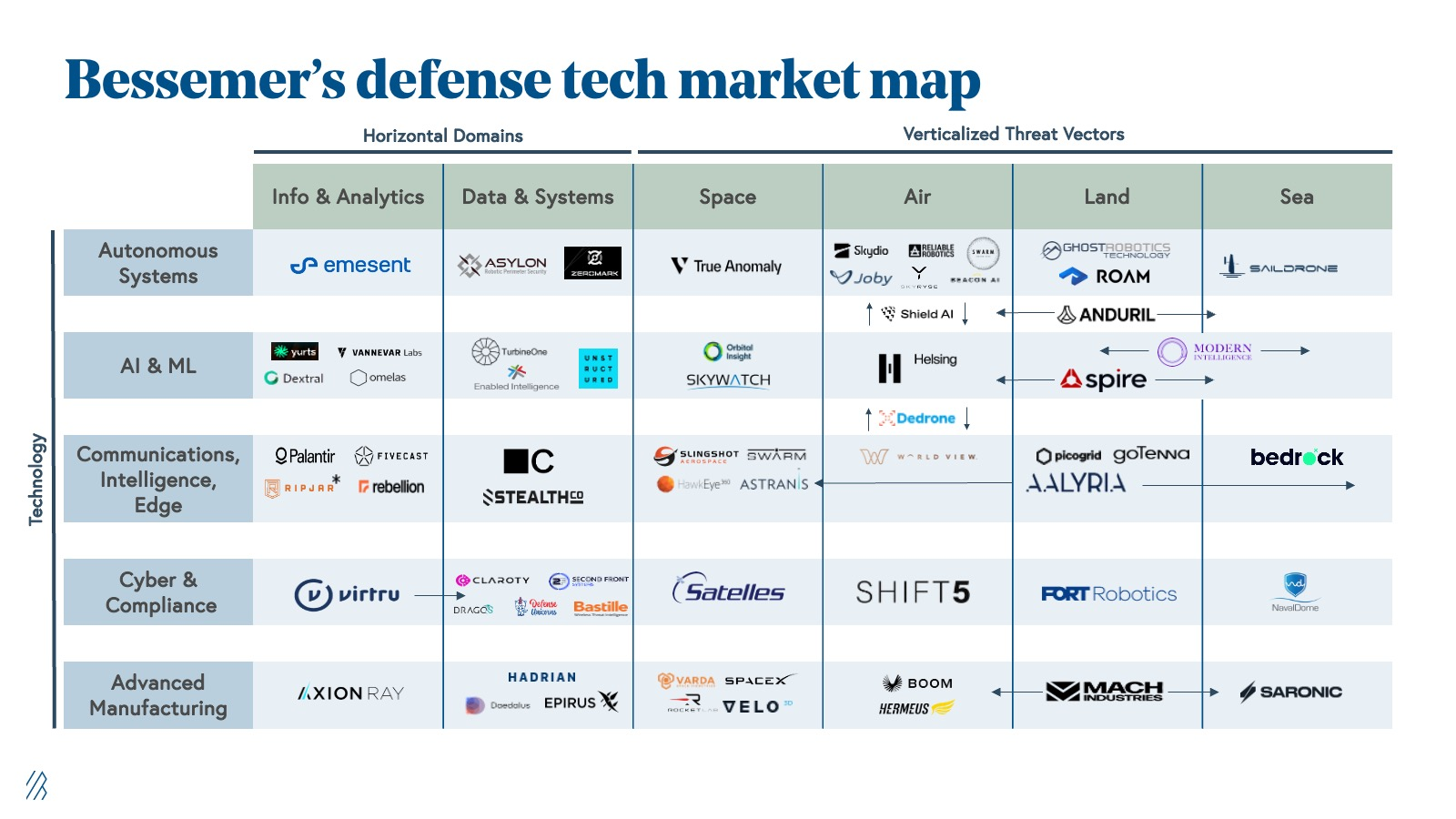
The war in Iran throws us into the hard core of modern warfare. A war whose grammar was essentially invented on the fly by the Russians and the Ukrainians on the battlefield.
It also created new appetites in the tech world: the birth of the defense tech sector, led by Andreessen Horowitz and Peter Thiel in the United States, but also in France and above all in Germany.
Everyone imagines a world where AI and disposable drones sold like SaaS (Software as a Service) will be lucrative markets.
The PowerPoints are incredibly slick, and everyone is spending millions to get their products tested in Ukraine, the best advertisement for claiming they are ready for modern conflicts. Palantir, as we explained, went there above all to stock up on data.
The main question for defense tech in 2026 is rather: what is an innovation worth if it doesn't survive contact with reality?
Real war always destroys PowerPoints faster than bombs. Will this be the year the myth is dismantled?
The recent setbacks of Anduril and Helsing illustrate how hard it is to implement these new approaches in the short term.
Anduril, the American star of the sector, sent its drones to Ukraine. Only 10 to 15% reached their target. The Ukrainians stopped using them in 2024. Too many crashes, too many missed targets, too vulnerable to Russian jamming.
Helsing, the European champion funded by Germany, did no better. Bloomberg revealed in January 2026 that Ukraine and Germany had suspended orders for its flagship drone: only a 25% takeoff success rate, missing AI components, and vulnerability to Russian jamming. Helsing disputes these reports, and since March 2026 Russian sources have been reporting that the drone is improving.
But the real surprise of the conflict is the LUCAS (Low-cost Uncrewed Combat Attack System), a direct clone of the Iranian Shahed-136, reverse-engineered by SpektreWorks, an Arizona SME. Unit cost: $35,000, with a Pentagon target of $5,000. It is the drone that U.S. Central Command used in combat for the first time during Operation Epic Fury.
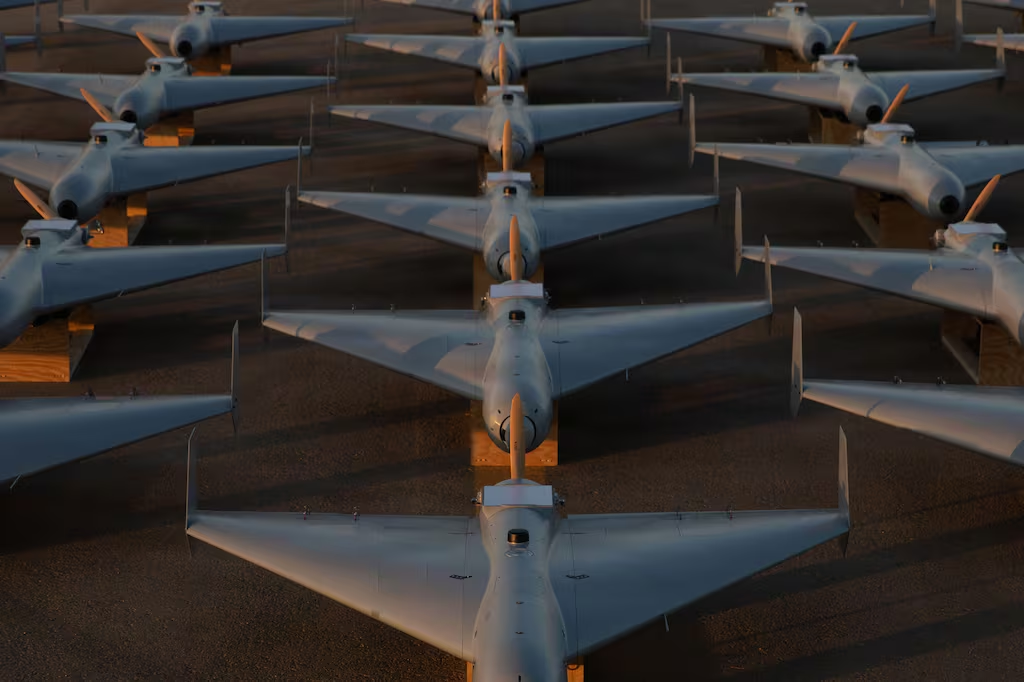
The irony is complete: the most powerful army in the world is bombing Iran with a copy of Iran's own drone.
The prices tell a story all by themselves. Iran's production cost for the Shahed-136 is estimated at between $20,000 and $50,000 per unit. Russia paid far more: $375,000 per unit at the outset, negotiated down to $193,000 for 6,000 units. The total contract, including technology transfer: $1.75 billion, paid in gold bullion flown to Tehran to get around banking sanctions. A return to medieval barter to finance the most effective technology around.
2026 will have been the year of the return to reality. Is it over for the startup founders who discovered a new calling, and for PowerPoint defense tech? We'll see.
And France?
As in every other country, military AI divisions have been built, often staffed with people from Big Tech who hoped to have more time to install their vision.

AMIAD (the Ministerial Agency for Defense Artificial Intelligence), launched less than a year ago, is supposed to turn AI into capabilities the armed forces can actually use. It is the body that set up the partnerships with Mistral AI and all the defense tech players. But the French model remains state-driven: the state sets the doctrine and opens the door to startups. The opposite of Ukrainian survival mode.
Mistral is not yet at Anthropic's level on agentic questions. So there is a dilemma similar to the one facing large companies: use Claude and create an economic and cognitive dependency, or look toward the Chinese open-source models that can be jailbroken and unshackled?
And what if the only question worth asking were: when soldiers' lives on the battlefield are at stake, must the products used be the most effective ones?
Dual use as a time bomb
Dual-use tech (that is, both civilian and military) was the phrase on everyone's lips.
In the digital war economy, it becomes a risk that has not been thought through to the end. Any defense tech software running in an identifiable data center exposes that data center to attack. It's a bit like putting the ammunition depot next to the hospital.
That is the first lesson we have learned from the war in Iran.
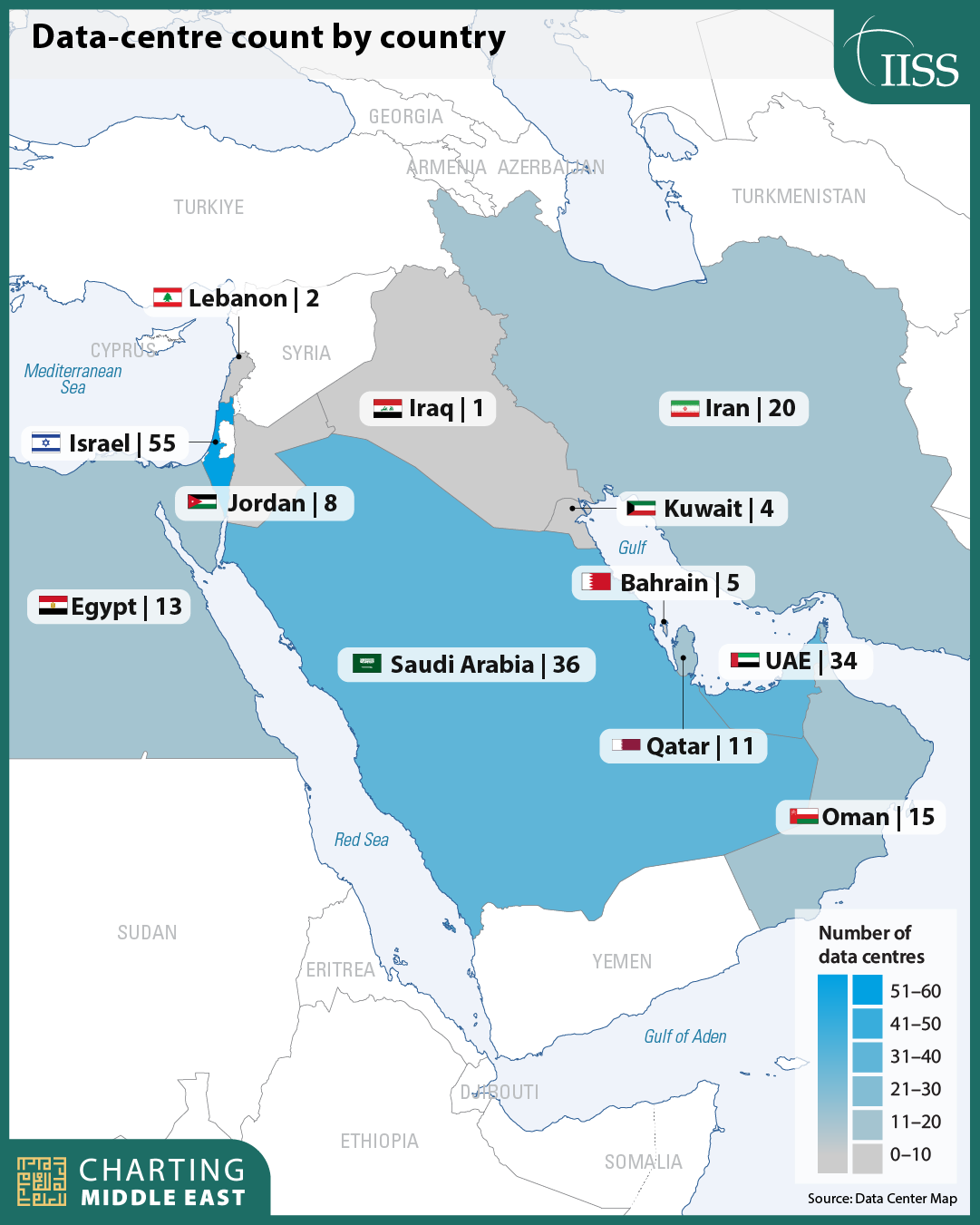
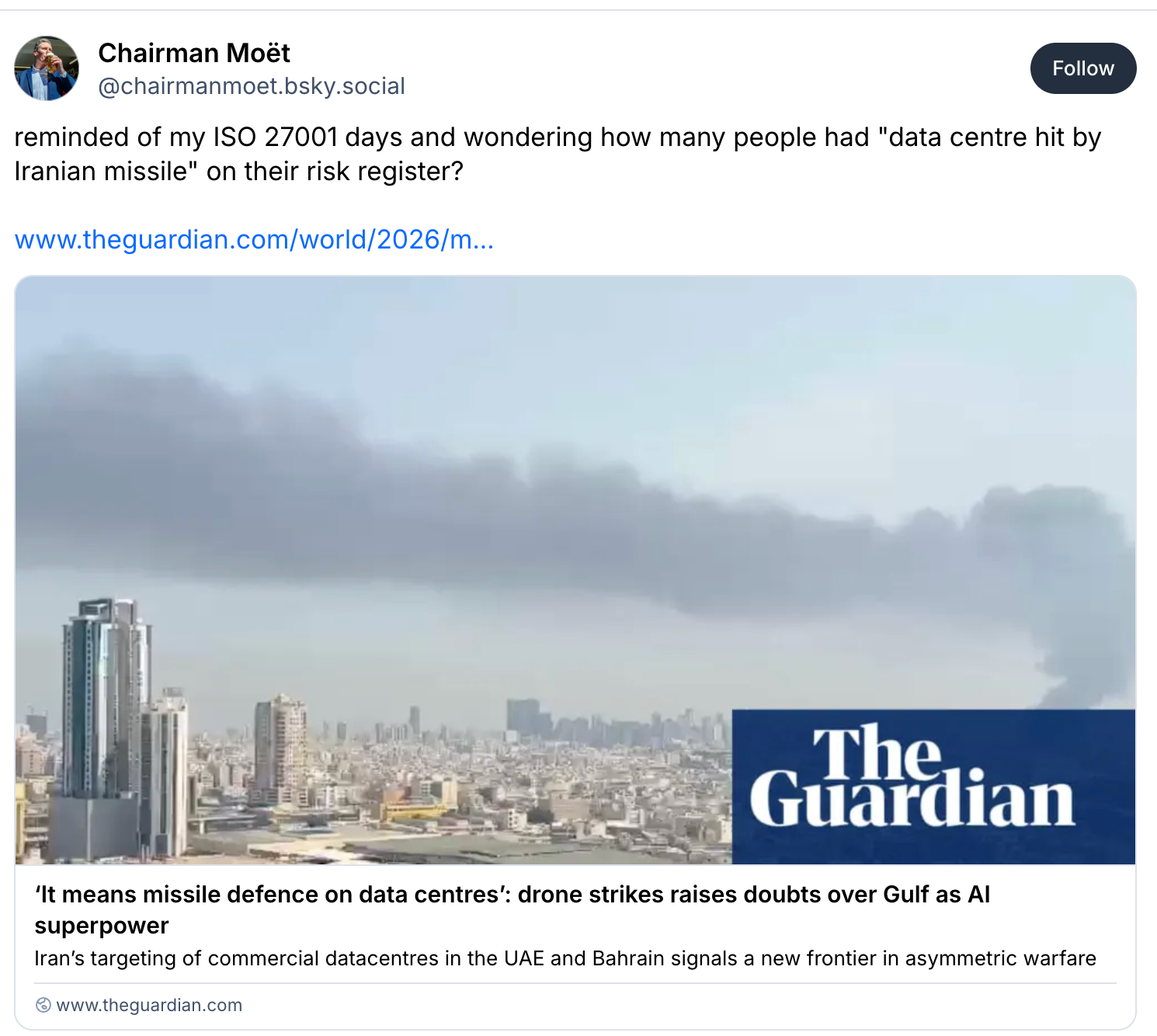
The attacks on Amazon's data centers, which also happen to host Claude, caused panic. Banking and online service outages are being reported in the Middle East. Amazon is shifting capacity to other regions, increasing the load and slowing services globally. Users are reporting VPN problems and higher ping times.
Iran also struck Microsoft data centers in the Gulf. The Iranian news agency Fars News explicitly justified the strike on Bahrain by claiming that the data center supported the operations of the US Fifth Fleet.
It is the end of the myth of a neutral "civilian" cloud in wartime.
What to make of these strikes?
Here is a detailed timeline of the first events that shook the Gulf's digital infrastructure in early March 2026.
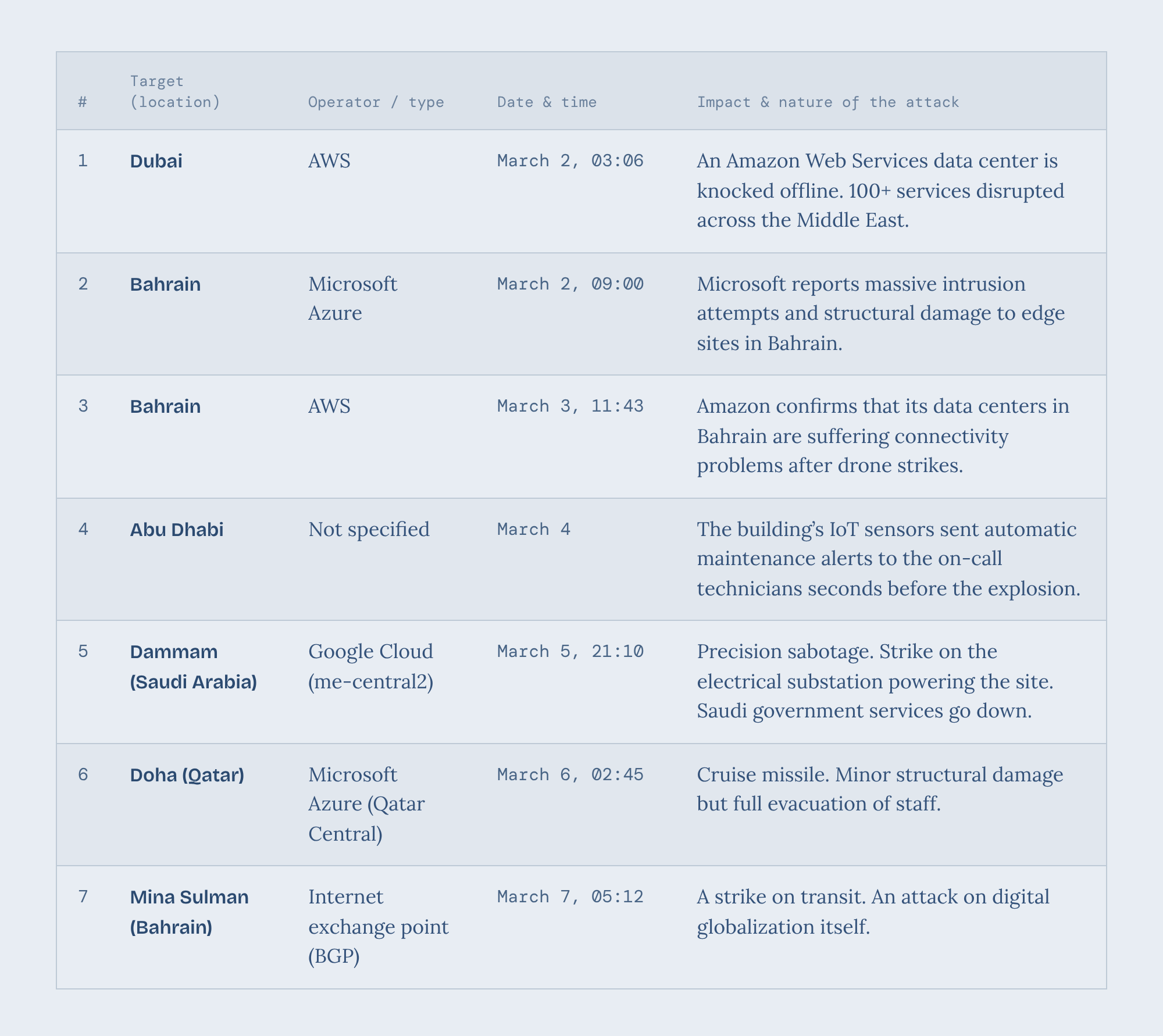
Since the strikes, we are seeing a massive transfer of workloads to servers in Frankfurt, Paris and Dublin. European infrastructure is under unprecedented strain, with bandwidth costs exploding.
Can digital infrastructure still be considered neutral?
The Gulf was supposed to be the testing ground for the sovereign cloud thesis. All the big hyperscalers made the same bet at the same time: Gulf governments want their data onshore, under their own regulatory frameworks, close to their populations, contributing to the development of their own AI capabilities. Microsoft, Google, AWS, Oracle, all of them committed to multibillion-dollar buildouts on this thesis over the past three years.
The thesis that assumed the Gulf was a stable operating environment for long-term digital infrastructure has been blown apart. A decade of trust has been undermined.
A few anecdotes:
- During the attack on Abu Dhabi, the building's sensors sent automatic maintenance alerts to the on-call technicians a few seconds before the explosion, illustrating that surreal moment when the software diagnosis comes just ahead of the physical destruction.
- The story goes that in the Azure data center in Doha, the fire suppression systems went off automatically after the shock wave, drowning in inert gas servers that the missile had not even touched. That is the paradox of automated defense: it sometimes destroys by mistake what it was supposed to protect.
Obviously, this is bound to have an impact on data center insurance contracts, with extra costs somewhat similar to those that followed the fire at OVH's data centers.
It also raises the question of compliance in a sector that is not used to this kind of incident and will have to evolve quickly.
AI people are becoming targets too
Most tech company bosses are already protected. One of them, whom I saw last year, confided to me that he had a team of former Navy SEALs in charge of his security. In Terminator 2, Sarah Connor tried to kill the Cyberdyne engineer who would go on to create Skynet. In the film Transcendence, terrorists kill the leading AI researchers.
A scene that is not in the final cut of Terminator 2.
Does this mean that, to halt the march of progress or tip the outcome of a war, the engineers working in AI become targets? As so many scientists in charge of nuclear programs have been? Dizzying questions.
Has Big Tech really come to terms with its dual use?
Something has changed since the chaotic beginnings of Project Maven. Civil-military dual use is now openly embraced at Google, Amazon and Meta. It is part of the business model.
AI saves lives and at the same time it can kill, from servers a few meters apart.
But there is another duality we are going to have to learn to live with, the one where reality and post-reality collide.
We may also have to think about the purpose of the tools we use every day to organize our personal and professional lives.
The fight at the heart of the Pentagon that we described a little earlier may be the one we will all have to face sooner or later.
In a world where war, AI and the production of reality merge, how do we preserve autonomy of judgment, effective sovereignty and an unfalsified relationship to reality?

That is now the central question, and for the moment we have no good answers.
Conclusion
The Iranian regime is brutal and complex, but for decades it allowed magnificent works to be made. The great risk is that tolerance for difference, for otherness, will no longer be seen as a strength, as a driving force.
It was by stumbling on an Instagram post that I rewatched this moving scene from Abbas Kiarostami's film The Wind Will Carry Us.
The Wind will carry us (1999)
It took me years to understand the beauty and power of Iranian cinema. The scene comes near the end of the film. Behzad, the journalist from Tehran who has been waiting for days for an old woman to die in this remote village in Kurdistan, climbs onto the back of the doctor's motorbike. They ride through the hills, the fields of golden wheat, the dirt roads. The wind, the light, the immense landscape.
And the doctor tells him, as they ride, that death is far worse than old age. That when you close your eyes on this world, on this beauty, on the wonders of nature, it is forever. That nobody has come back from the other side to tell us whether it was any good.
Prefer the present to these fine promises.
It's a film about a man who comes to document the death of others and discovers that he doesn't know how to live. It's a film about the gap between those who observe and those who know.

Thinking for yourself in a world where thought is precomputed is the new ultimate act of resistance, the only one worth fighting for.
See you soon!
For paying subscribers, a few sources to read to find out more
Read the full article
Sign up now to read the full article and get access to all articles for paying subscribers only.


