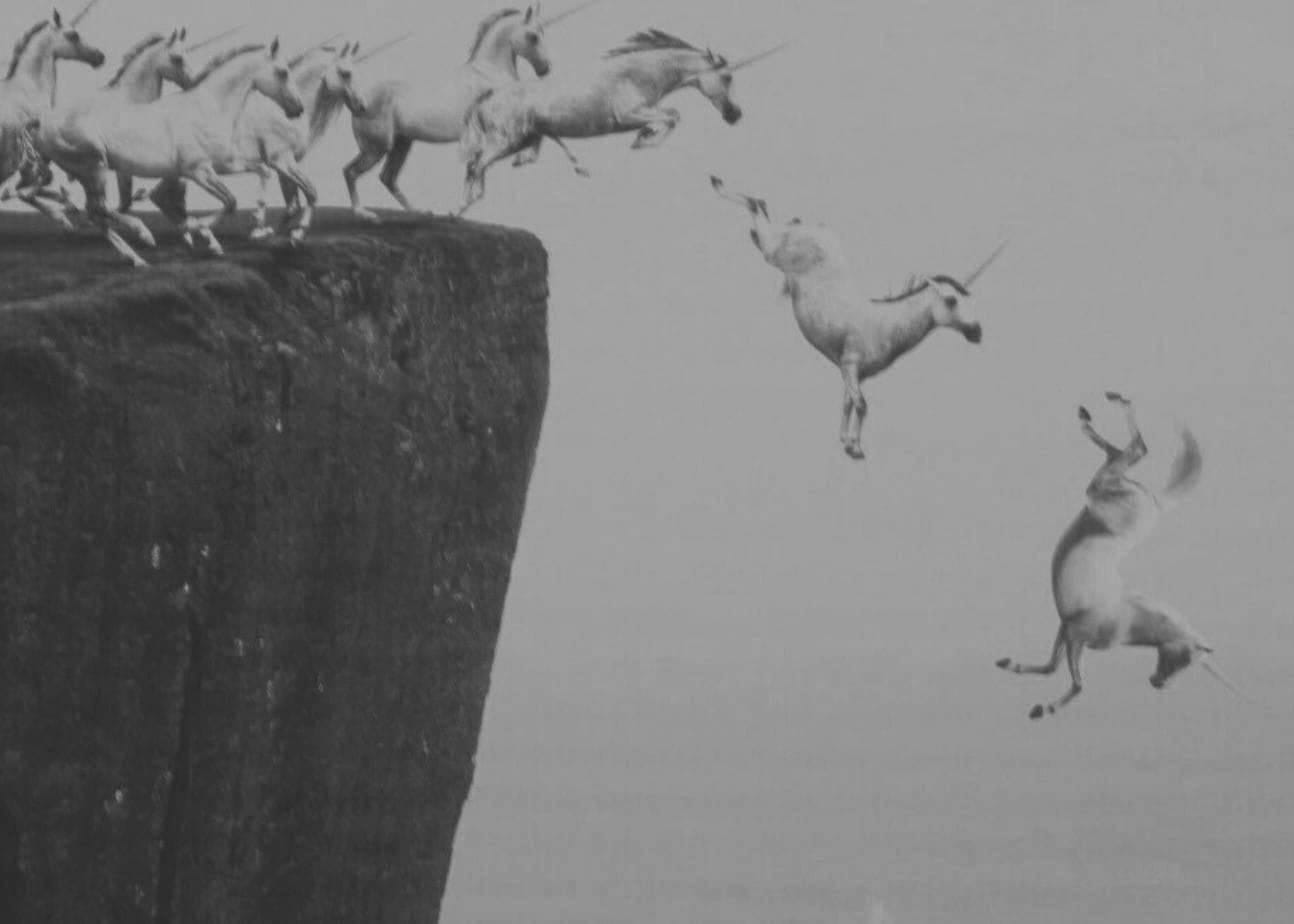
A new space for reflection
The Sovereign Way is a think tank dedicated to the Digital Age of Uncertainty.
It was created by Tariq Krim, an iconic Web entrepreneur and pioneer of the geopolitical Internet, and grows out of his journey.
Since 2019, it has been documenting and analysing the end of the Internet as we have always known it, in order to understand the new rules of the game in a fragmented digital world.
Our only certainty is that we will not return to the world before 2019.
In our world of Tech, AI, Cyber and Geopolitics, where communication has replaced reflection, influencers have replaced experts, and compliance officers have replaced developers, it is urgent to offer a different approach, both in its form and in its assumptions.
A different voice, a different way.
The Sovereign Way is the logical continuation of Tariq Krim's personal fight to bring forth other ideas, other products and other scenarios for the future of technology.
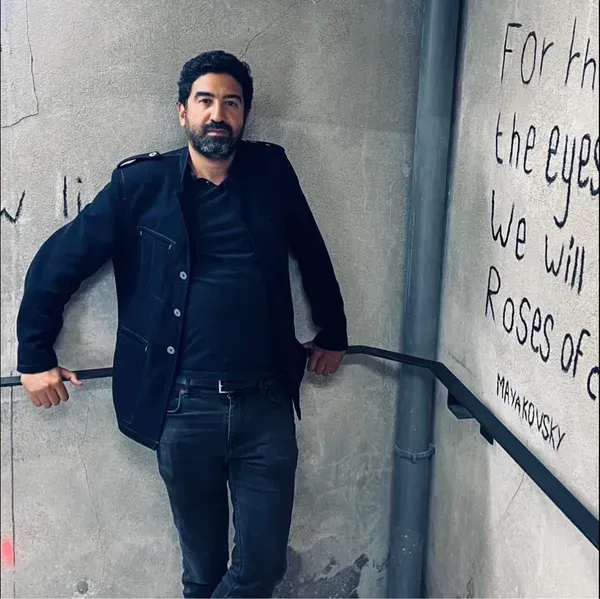
An unusual digital journey between France and Silicon Valley
A hacker in the 1980s, a developer and journalist in the 1990s, an entrepreneur since the 2000s, he has also been the official (and unofficial) adviser to several governments on technology issues.
In 2008, he notably suggested that France, which was hosting the G8 in 2011, organise a satellite event dedicated exclusively to digital, the eG8. It would be the first time that heads of state and digital players met at a high level in France.
An entrepreneurial vision
As the creator of Netvibes and Jolicloud, two iconic Web 2.0 start-ups, he showed that competing with Google in particular on consumer products (personalised homepage and cloud computer) is possible from France, because the necessary talent exists, and that it is entirely possible to build complete, fully sovereign alternatives.
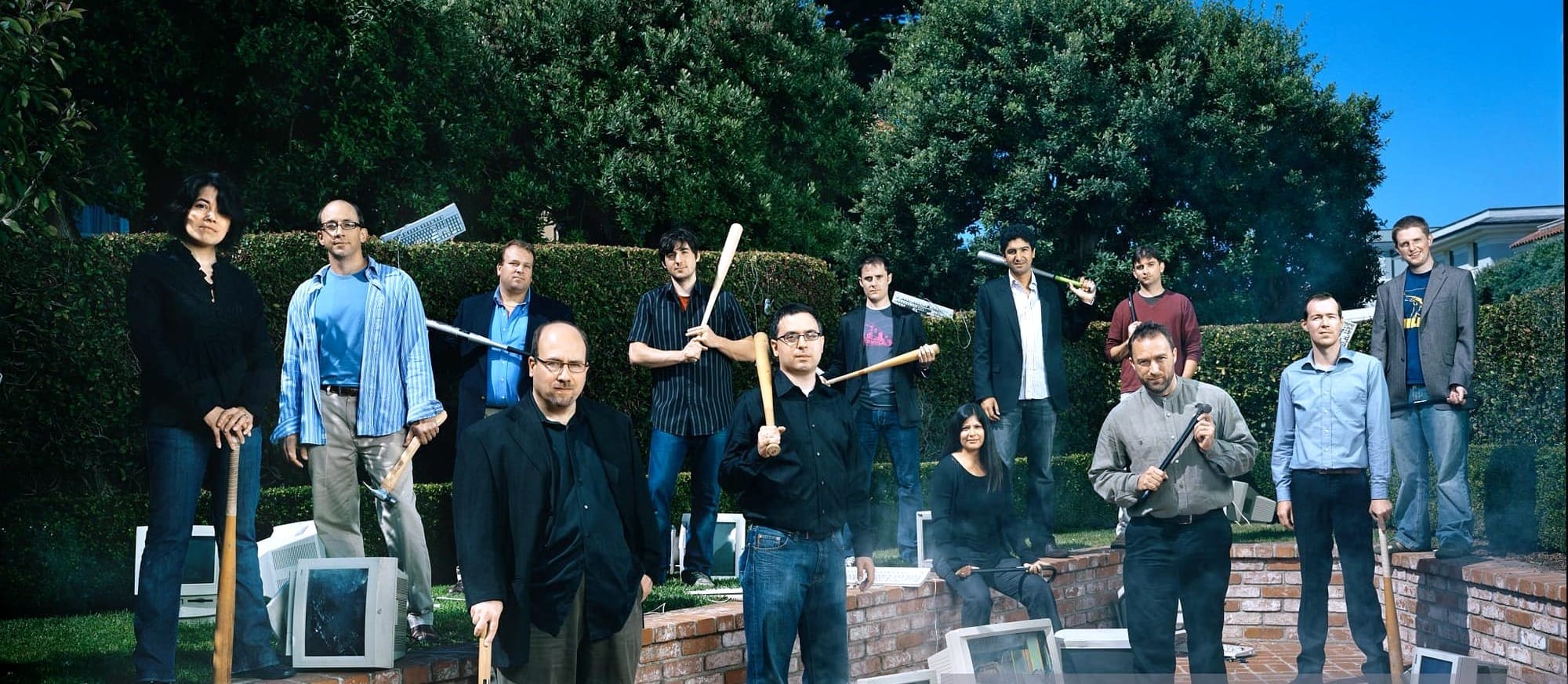
Although award-winning and adored in the United States (winner, then finalist, in two consecutive Crunchies Awards, the "Oscars of the Web" presented by the best Silicon Valley Tech magazines of the time), Netvibes and Jolicloud (the first consumer Sovereign Cloud service) were not really supported in France. Worse, the State would prefer to buy competing American solutions.
A political vision of innovation
To prevent the next generation of French entrepreneurs from facing the same difficulties, Tariq Krim accepted a government mission on supporting digital talent. His positions and proposals (taxation of stock options, Tech entrepreneur visa, creation of a government CTO post and a digital directorate, teaching code, putting developers forward) were taken up when French Tech was created.
While he agrees that the State must support start-ups, he disagrees with the massive channelling of innovation investment towards projects with little technology in them. Behind the sole stated goal of creating unicorns, he regrets that the tens of billions spent do not also support a real, lasting digital sovereignty policy.
One of the strong voices defending digital sovereignty
In an op-ed published by Le Point, Comment la France s'est vendue aux GAFAM (How France sold itself to the GAFAM), and in his ebook Lettre à ceux qui veulent faire tourner la France sur l'ordinateur de quelqu'un d'autre (Letter to those who want to run France on someone else's computer), sent to the candidates in the 2022 presidential election, he opened the public debate on the urgent need for a digital sovereignty policy.
Focused on its Startup Nation strategy tied to the large American platforms, the State did not want to go in this direction. Before changing its mind after the Covid crisis and the war in Ukraine, which exposed a serious deficiency in our digital capabilities.
A humanist vision of the Web
Alongside the sovereignty issues, it was the attacks of 13 November 2015 that made him realise that the Internet, and above all social networks, had turned into toxic environments that had completely escaped our control.
In 2016, he published Drifting, a manifesto for a Slow Web translated into 5 languages and published notably by Die Zeit in Germany. It proposes a new way of building applications, more respectful of users' private data and privacy. A calmer vision of digital technology that he defends around the world (MIT, World Economic Forum, Copenhagen Tech Festival, Web Summit).
One of the pioneers of the geopolitical Internet
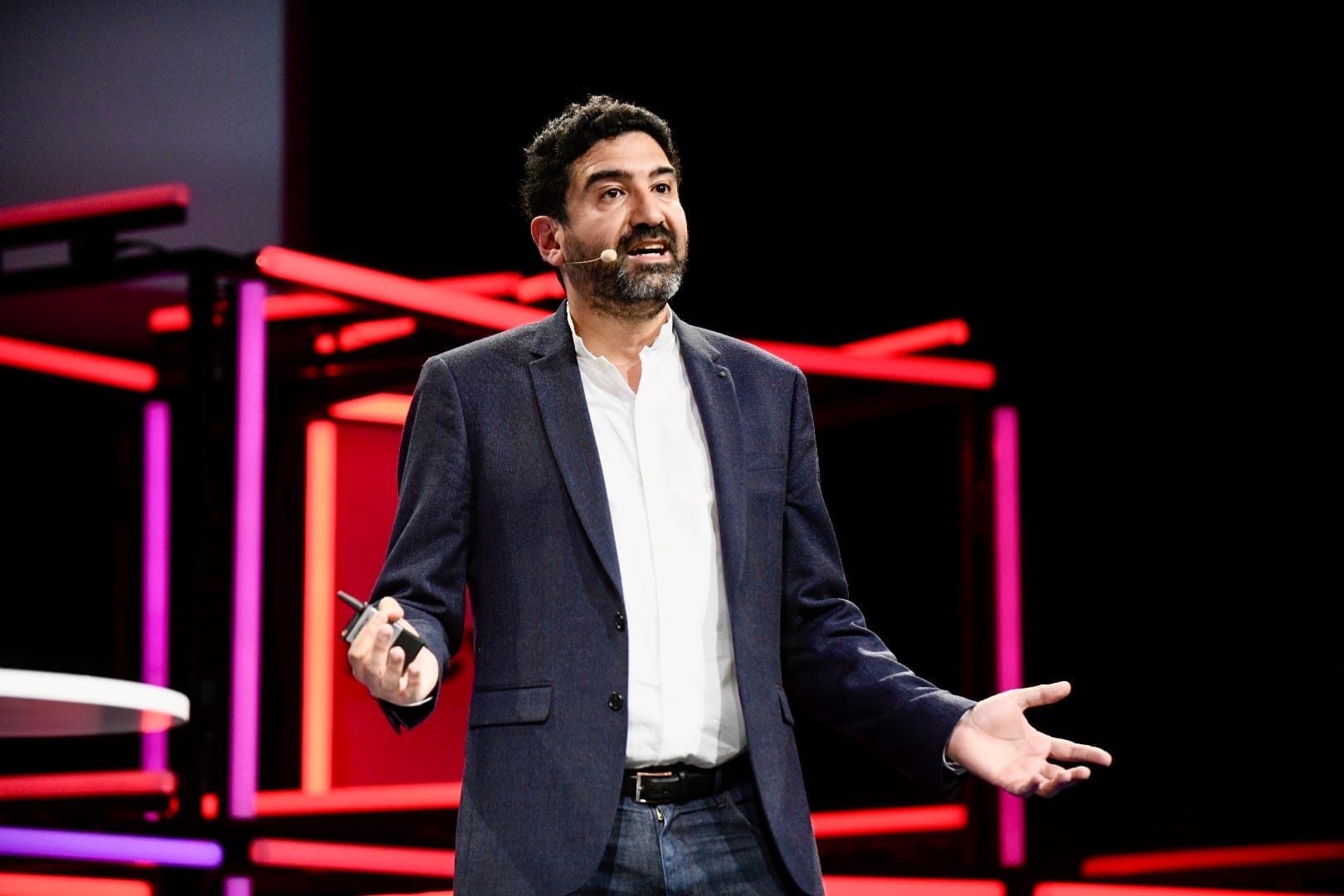
Because he carries a particular and intimate vision of digital technology, nourished by his conversations with the founders of the largest platforms, with French and international political leaders, but also by the evolution of world geopolitics, he predicted a Splinternet — a new geographical fragmentation of the commercial Internet — and a rapprochement between Russia and China.
With the evolution of the wars in Ukraine and in Nagorno-Karabakh, he studies the rapid militarisation of the commercial Internet and the geopolitical allegiances taken by large platforms in these conflicts. As part of Europe finally converts to a new defence policy, he supports the creation of a sovereign European Defence Tech industry which could, in case of isolation, become an alternative to the major American, Chinese and Russian projects in the field.
The geopolitics of AI
With the popularisation of generative AI, he introduced the concept of cognitive autonomy and looks at the race between states to acquire new cognitive capabilities, particularly in Europe, and at its cultural consequences. In 2024, his annual presentation "The State of the Splinternet" was entirely dedicated to these questions.
The Sovereign Way, a place to deepen this vision
Since 2020, he has regularly been invited by defence circles (IHEDN, FIC, Cyber Command) to speak about the evolution of the geopolitical Internet. It was when part of his work was taken up by the executive during a defence council that the idea of a space for reflection (think tank) took root.
Until the official launch of our think tank, you can subscribe to The Sovereign Way newsletter. Its paid plan gives you access to 6 essays throughout the year.