

I am writing this newsletter as we discover the situation in Venezuela. I immediately thought of that memorable scene in Jack Ryan. Sometimes reality is even crazier than what the movies imagined!

This newsletter: an intellectual safe space
Two years ago, I created this newsletter on the basis of a simple observation: we live in an uncertain, turbulent world, entirely reshaped by AI and geopolitics. And there was no place to talk about it seriously.
When you live in an uncertain world, the first thing to do is to cut out the noise.
The second is to stop listening to those who tell you what you want to hear or who repeat what they read elsewhere.
Finally, you must not give in to panic, and you must start implementing a real strategy.
We have all faced this, individually, professionally, collectively.
I often say it when I meet you at conferences: if everyone thinks the same thing, it is not for lack of intelligence. It is because the sources of information have been homogenized.
But there is something else, too.
Some of the people we talk to see the post-2020 world as a bad dream and imagine that all they need to do is wait for a change of administration in the United States for everything to go back to the way it was.
These are the people, at the heart of governments, the media and companies, who block any alternative thinking, any change of course, any adaptation. They cling to the old world the way they cling to their power.
The only thing to do: ignore them. And immerse yourself in the reality of the situation. Quietly prepare for the radical changes under way. Weigh your options. Sharpen your ability to execute.
That is what we have been doing for two years, every week, with this newsletter. And now there are more than 6,500 of you subscribed to the newsletter, and a little over 50,000 reading our articles on the site every month.
Thank you for that!
For this first newsletter of the year, I wanted to offer you 10 important ideas for 2026.
I had initially planned to reserve it for paying subscribers, but since it is the first of the year, it is exceptionally open to everyone.
I did put a bonus at the end for paying subscribers, though.
👉 Remember to subscribe!
With this newsletter, I see myself a bit like a chef offering you starters (opinions on a topic), main courses (a more in-depth reflection) or desserts, like the film clubs, which are very popular.
Since launch, I have chosen to keep the price very low. Some notes are worth several times the subscription price on their own. A consultant told me recently that a single one of our newsletters had landed him a year-long contract.
The affordable price also reflects a desire to reach audiences beyond my initial target: students in particular, but also small SMEs, and anyone who wants to think these issues through with us.
💸 Please note: the subscription price will go up by the end of the month.
So I wanted to offer you the option, if you wish, of keeping the current rate by subscribing before the increase. I know this is not a commercially intuitive approach.
- If you subscribe at the €60 rate, as a founding member, that rate will not change.
- If you are on the €99 rate, as a co-founding member, and you subscribe now, that rate will not change.
ℹ️ As a paying subscriber, you get access to:
- the site's entire archive,
- all my monitoring via a private channel,
- priority replies to your emails,
- the events we organize,
- the meetups of the Digital Resilience Council (Conseil de la Résilience Numérique), held on the sidelines of the conferences where I speak.
It's here
I have been predicting this transformation of the digital world for several years. I found a recording of one of my best syntheses: the opening keynote of Forum InCyber (the Lille cybersecurity forum) in 2023.
📺 Here is the keynote on YouTube
Opening keynote at Forum InCyber in Lille, 2023
10 important concepts of the New Internet
My big theory of 2025 is that we have entered the era of the New Internet.
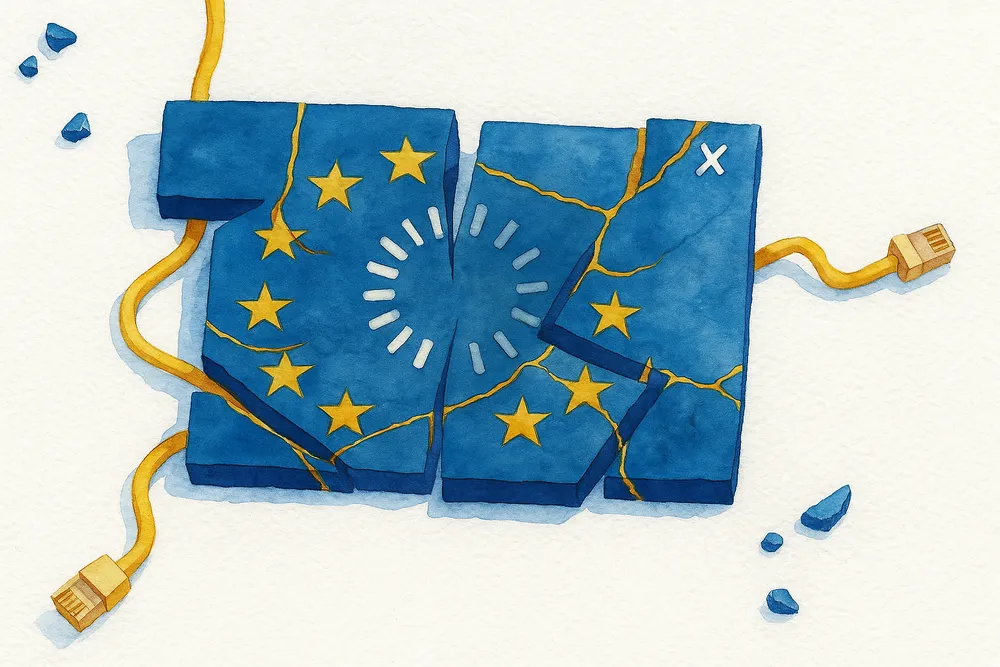
Preamble: digital sovereignty will be the engine of European growth
In the United States, AI and data center construction are now the main engine of growth. But across Europe, and the acceleration has been visible in recent months, it is digital sovereignty that has become the engine of tech and of our growth.
In France, for a long time we wanted to avoid the subject by muddying the waters with terms like "technological autonomy" or "digital autonomy."
Europe is now accelerating its digital sovereignty strategy, a vision that is no longer very different from Chinese and Russian cybersovereignty: protecting the European space from technological dependencies and outside interference.
France should have led this movement. But it took a long time for it to be taken seriously. It took Covid, the war in Ukraine and Trump's return for the business media close to power to finally dare to talk seriously about digital sovereignty and the geopolitics of dependence.
But we still only pay it lip service. Because many secretly hope that the bad dream we are living in will end when Trump leaves, and that in the end we will not have to implement this digital sovereignty.
Fortunately, not everyone is so timid. This year, there is no counting the number of influencers and business leaders coming out on these issues. That is good news.
It is too early for a reckoning; 2027 will be the right time. But we will have to demand answers: why did the state, Bercy, the big companies and Bpifrance (the public investment bank) not use digital sovereignty as a lever for recovery? That work should have been launched five or ten years ago.
That is the question I ask myself watching Nicolas Dufourcq on the show C Politique lament, with figures to back it up, that we have become a digital colony.
Nicolas Dufourcq on C Politique on France 5
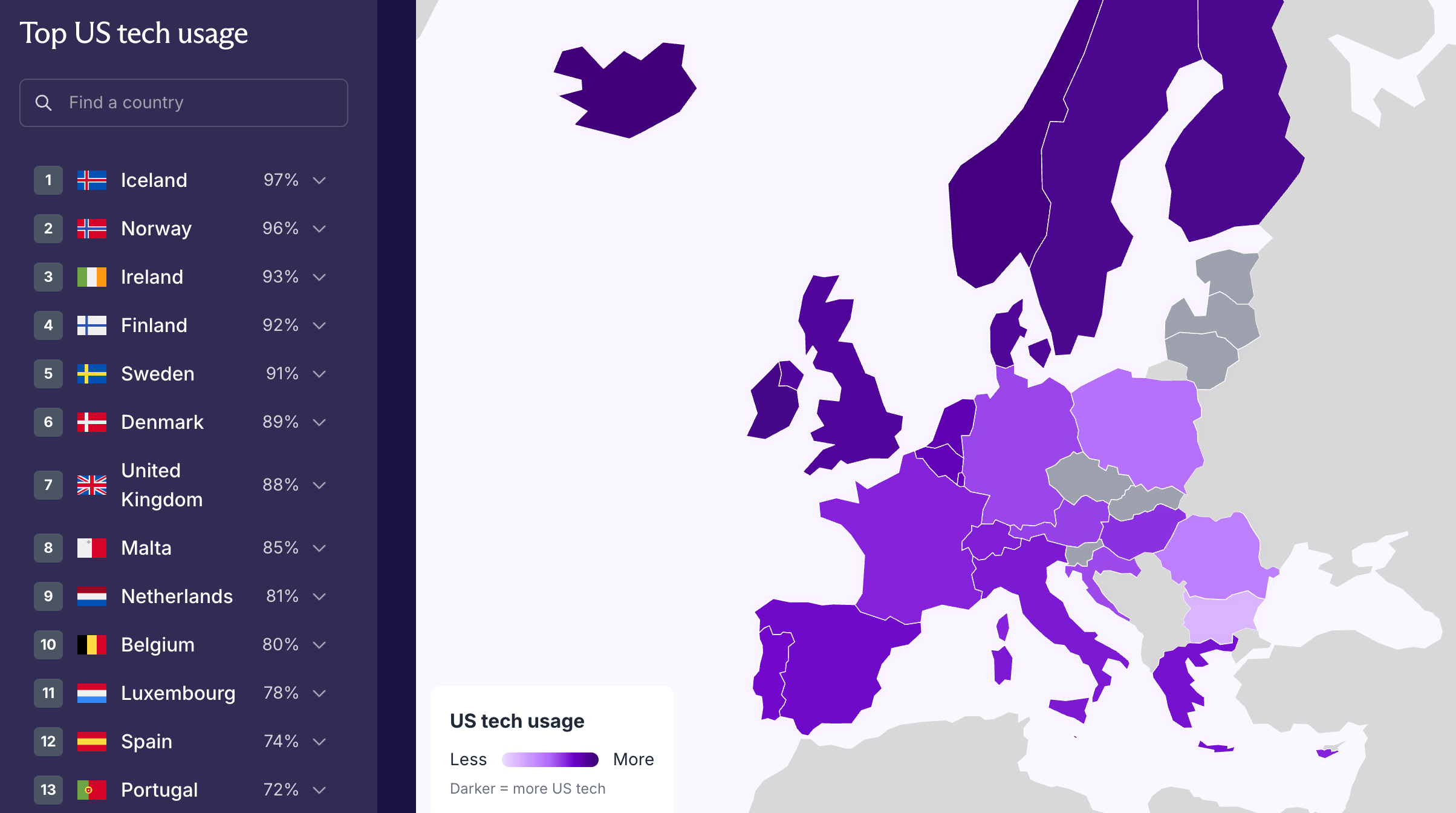
Bpifrance had the means to build a real sovereign infrastructure policy. We are talking about tens of billions of euros of public money. The equivalent of a Big Tech company's budget. The choice was made to invest in startups and factories that very often depend on US technologies.
Thirty years after offshoring our jobs to China, we have also offshored our computing to Silicon Valley.
The right approach would have been to build a sovereign infrastructure first, and then to build on it for industry and startups.
That strategy might have taken a little longer. But it would have let us post a higher growth rate in 2026 and, above all, take a large share of the sovereign tech market in Europe. Instead, it is Germany, with its open source software ecosystem and the support of the Länder, that is taking the lead.
The fact that Airbus had to issue a call for tenders to create a sovereign European cloud network in 2025 shows how slow we were off the mark.
 Jacques Cheminat

The choice of Silicon Valley will quickly become a headache for large French companies.

Take the example of the automakers. They are so dependent on Big Tech that, given recent events, they may have to reassure their customers that the Trump administration cannot "brick" their cars in the event of a trade war with Europe.
PS: The same goes for tractors, for some trains and, of course, for the software suites of every large company.
The lack of strategy and of intelligent digital diplomacy will be felt. France has nothing to offer because it has no technological solutions to the problems on the table.
Giving up our digital sovereignty is a bit like our own version of Germany giving up nuclear power.
1 The militarization of the Internet and the Internetization of war
Since 2019, many observers have been caught off guard. They missed the interconnections between technology, competition, the military and politics.
It is no accident that I started talking about these subjects in military circles. I wanted to put words on two trends that seemed opposed but converged toward the same end: the militarization of the everyday Internet, and the use of commercial tech in armed conflicts.
The starting point, as I wrote in one of my first newsletters: Obama's Operation Olympic Games. Stuxnet. Pandora's box. Iran, Russia, everyone would now launch cyberattacks since the United States had done it. With the theft of the NSA's and CIA's toolkits, super-sophisticated attacks became the norm.
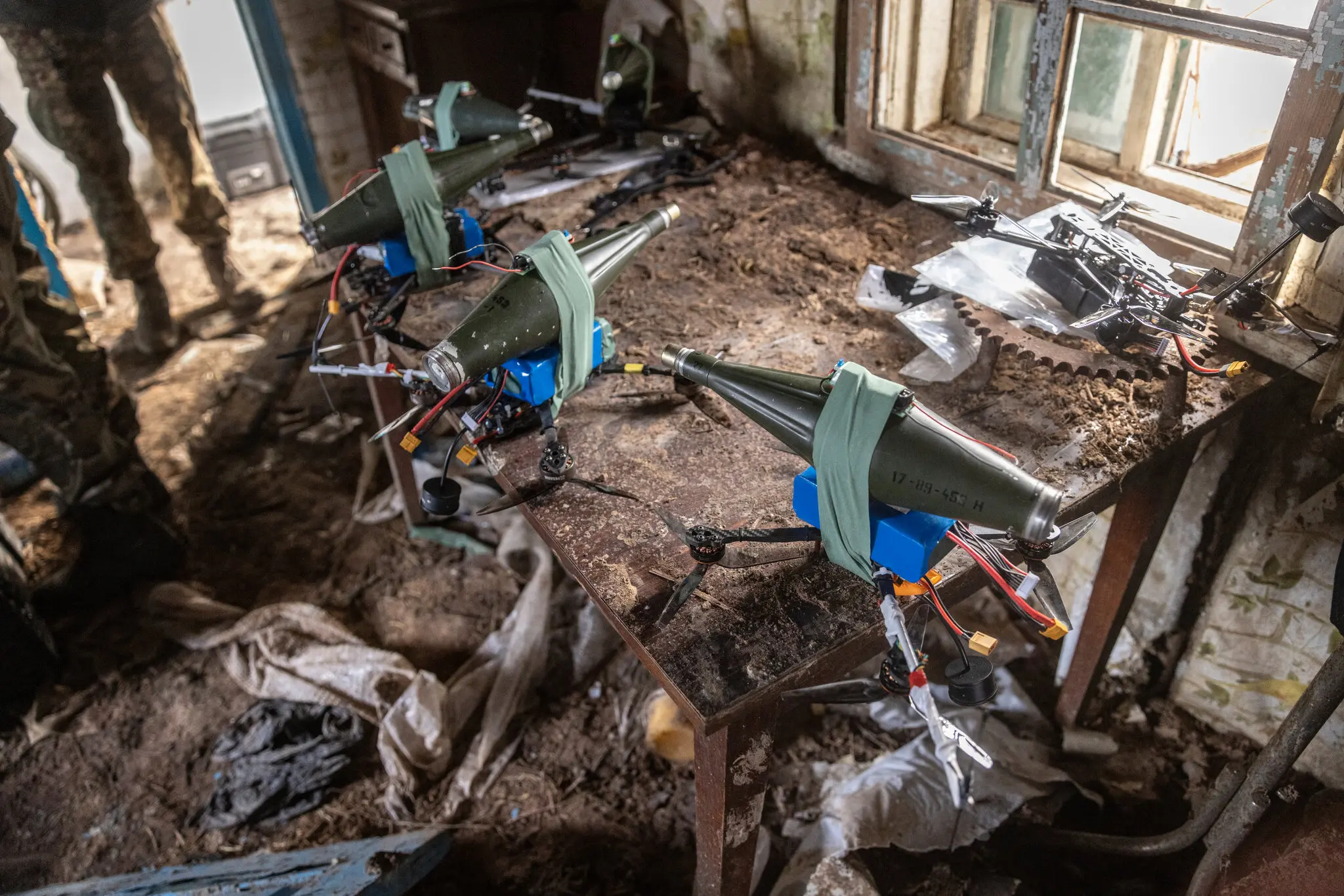
Meanwhile, during the war in Afghanistan, Facebook Messenger had become the communication tool between the Taliban and American special forces. The digitization of war was beginning. But it was Ukraine (and before it, Nagorno-Karabakh) that brought the entanglement of consumer tech and the military into the open.
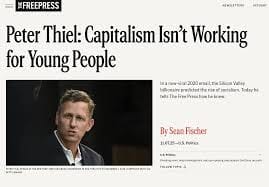
Palantir, Alex Karp and Peter Thiel's company, has always known how to anticipate these trends. It pivoted to Ukraine to learn, before everyone else, how to work in an intensive hybrid environment.

Karp's theory, which has also been mine since 2022: Ukraine's digital situation is not an extreme case to be contained. It is the new normal, and we need to skill up fast. Continuous iteration in particular (the factory model)
The militarization of the consumer Internet has become a permanent risk. The use of commercial tech in war has become a sector: defense tech. As Antoine Bordes, formerly of Meta and now AI chief at Helsing, puts it: the battlefield has become a data field. You have to know how to exploit it if you do not want to lose.
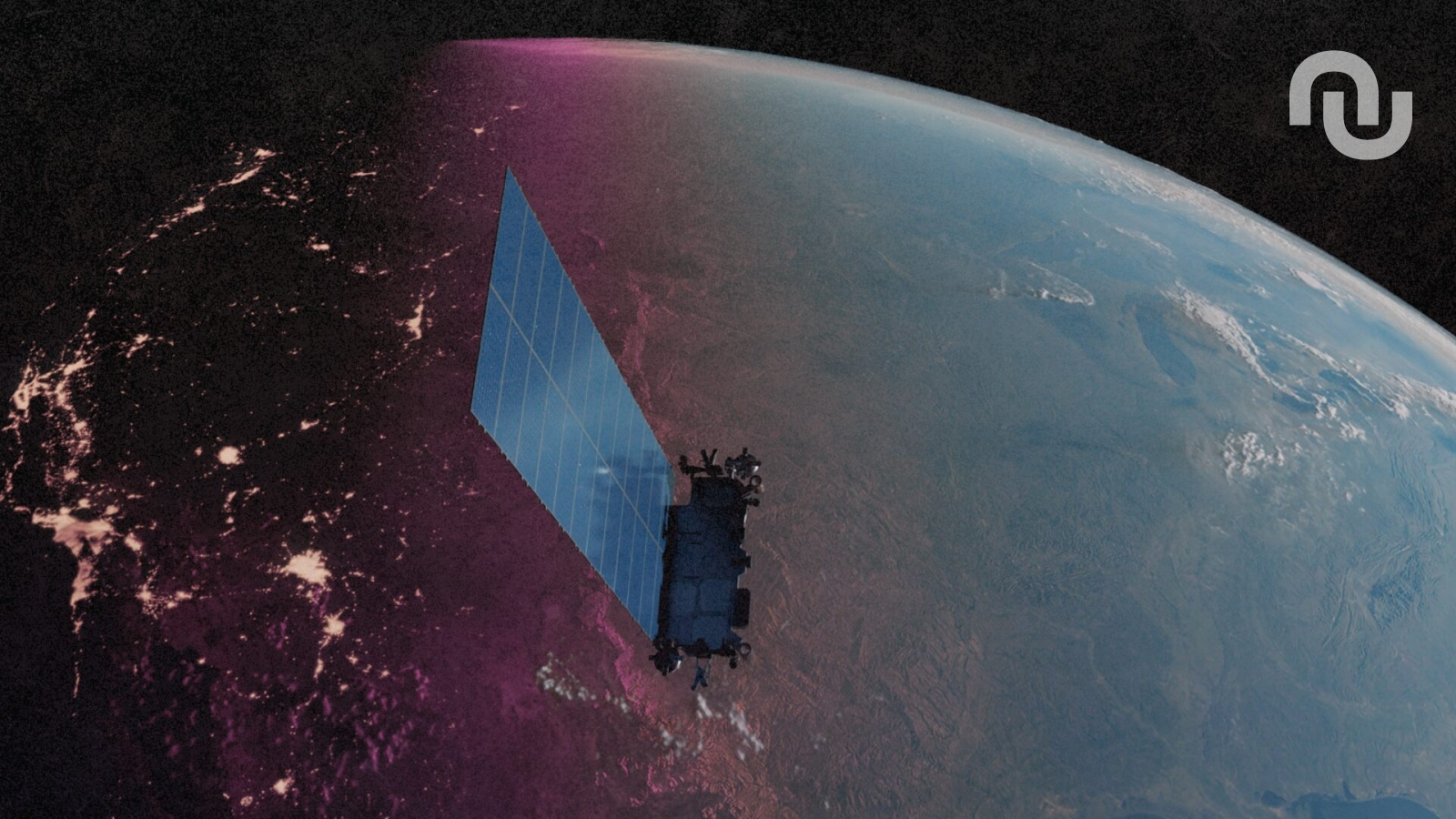
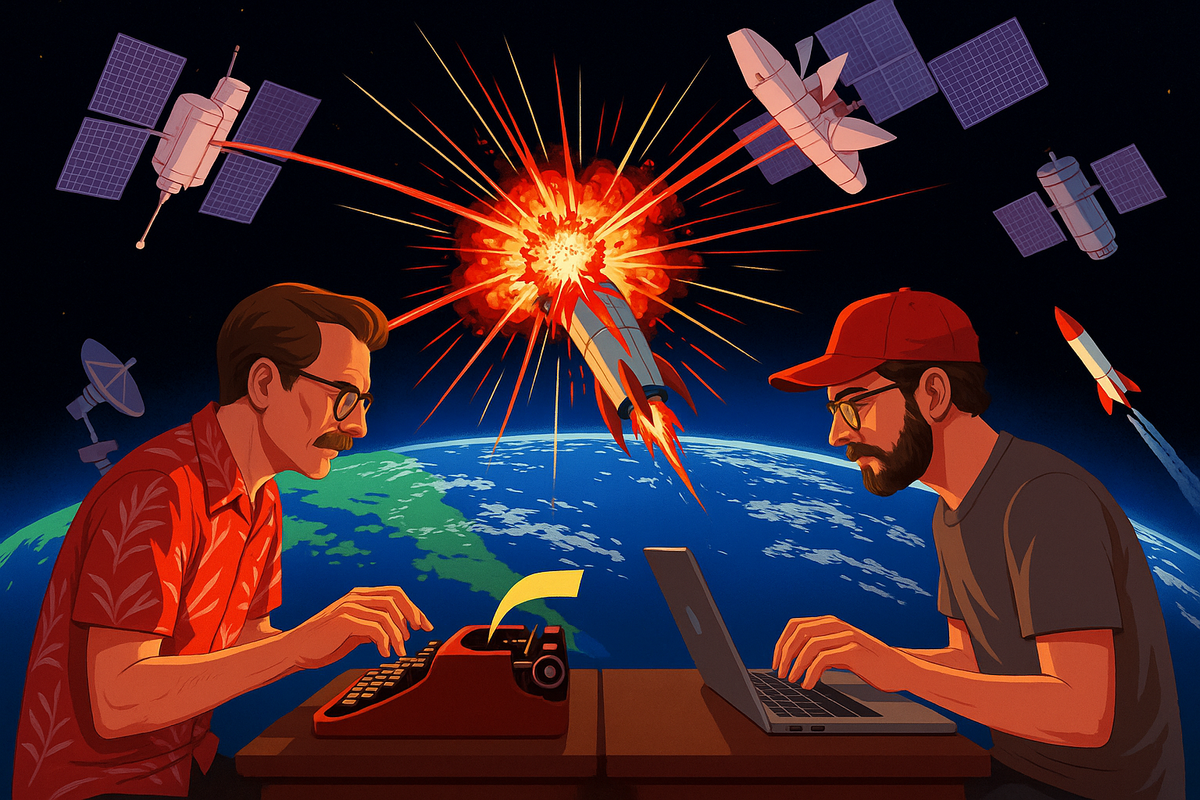
In December, this digital war spread to the Starlink satellites, caught between commercial competition and military attacks. New Space, which was supposed to be a commercial El Dorado, will have to manage a risk of conflict that now extends into space.
 Lisa Imperatrice
2 The New Internet, a tool for political reorganization
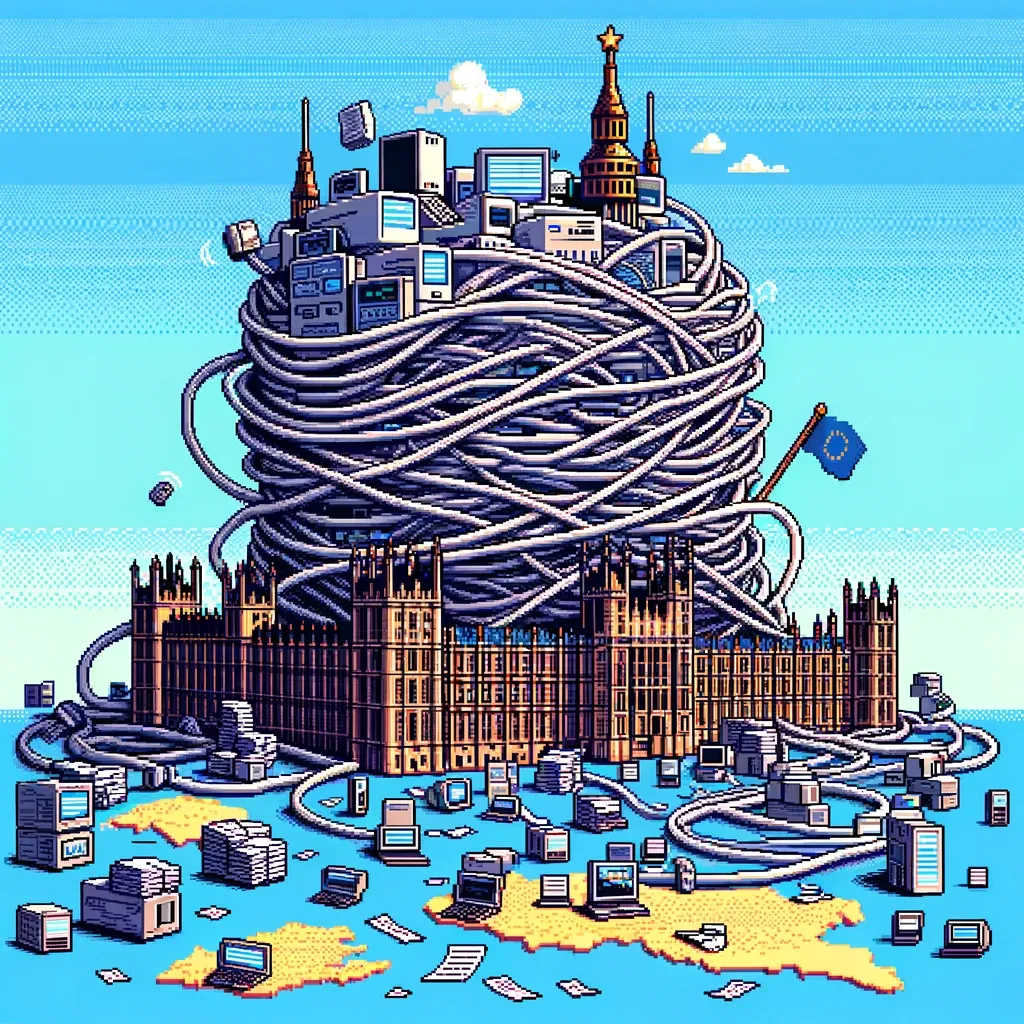
Technology is no longer a tool of emancipation. It is a tool of control.
The mistake in 2025 is to see the globe divided between a Global North and a Global South, or caught in a new cold war between the United States and China. That geopolitical vision is obsolete.
Today, the world is fragmenting into four distinct ideological regimes, each seeking to impose its vision of the future:
Authoritarian statism, led by China and Russia, promises prosperity through control. It fuses state capitalism, digital surveillance (social credit) and political repression into a model of relentless efficiency that is fundamentally antidemocratic.
Authoritarian traditionalism, dominant in the Middle East and sub-Saharan Africa, maintains order through religion, patriarchy and tribal sovereignty. It stifles dissent and militarizes power. It is now a buyer of technology to consolidate its positions.
Populist democracy, rooted in Latin America, South Asia and now the United States, offers mass electoralism devoid of institutional depth. It stokes culture wars, bypasses checks and balances and turns governance into spectacle.
These models are not merely surviving. They are converging.
From Riyadh to Delhi, from Moscow to Washington, we are witnessing the emergence of a global consensus: a conservative nationalism amplified by technology. An unnatural alliance of plutocracy, extractive capitalism, remilitarization and algorithmic tribalism.
Technology makes it possible to bring premodern hierarchies back to the surface. Silicon Valley's obsession with the Middle Ages and feudalism, and the vision of the "dark enlightenment," is therefore no accident.
Against this wave stands the fourth model: the European way.
Because Europe is not simply a continent but a civilizational project, anchored in the heart of the European Union, in Canada, Australia, New Zealand, Japan and South Korea.
A vision born of the catastrophe of the Second World War, founded on secular reason, human rights, social solidarity, pluralist law and planetary responsibility. A commitment to institutionalize freedom with care for others, prosperity with justice, and peace through interdependence.
So it is only natural that the European Union is under attack. The objective is to bring about the collapse of the only region in the world that has translated moral universalism into institutional reality. If the European way disappears, the 21st century will not be shaped by freedom, but by the collusion of illiberal authoritarian powers. There will be no anchor left for justice, sustainability or human dignity.
The European Internet should have been the embodiment of this vision, and that is only possible by mastering the tools, the software, in short the digital world we want to live in.
First major mistake: believing that the Internet was only an economic and technological battle. It is also a political space.
Second mistake: believing that regulating other people's space mattered more than building our own.
In tech, we are like those African countries that hand over their resources in exchange for Chinese highways. Except that selling Europeans' data means selling their digital souls.
3 The transition of the digital age of uncertainty (2020-2025) is over
The 2020-2025 period was only a transition. We are tipping into something else that we do not yet know well.
What we do know: digital war will intensify, traditional alliances are collapsing, and we are going to face a conflict-ridden deglobalization with the weaponization of interdependencies.
The American administration now regards Europe as a cultural enemy. A market to be broken open and deregulated by force. Our elites are panicking.

The visa ban on Thierry Breton (the most Atlanticist of the European commissioners and a Bank of America board member) is a signal to the Atlanticist 1.0 elite, aligned with the Reagan-Obama-Biden era: "you are our enemies," "all gloves are off."
Now the Trump administration wants to bring forth a new generation of aligned supporters, who could benefit from the resources of social networks like X and the logistical support of a new, dedicated Team B?
 Tariq KRIM
Reread this newsletter to understand what Team B is
We are entering totally unthought scenarios.
Example: the United States needs ASML (which itself needs Zeiss for its lenses). But it wants to destroy it commercially by preventing it from selling to China, while hoping that a Thiel-funded competitor will replace it. The Trump administration's investment in Intel, which is developing an alternative to TSMC and ASML, reinforces this plan.
Even Mistral, SAP and Capgemini are directly threatened. Even though they have major customers in the United States. And in Mistral's case, investors close to the Trump administration.
The digital age of uncertainty, that of 2020-2025, is over. We are stepping squarely into the era of the unthought, where nothing we considered stable will stay that way for long.
Think of these past five years as a beta-testing period, in which various attempts to redefine the balance of power were tried out.
Now we move on to the next stage:
- a somewhat crazy world that is not always clear, and that I try to decode in this newsletter.
- A world in which you have to think fast, and which we will have to protect ourselves from but also master.
That is why I prefer to talk about resilience rather than sovereignty.
Sovereignty is the goal; resilience is the attainable reality.
4 AI is recomposing organizations
AI is already recomposing large organizations. All of them, the state included, will be attacked at their core: governance.
During the golden age of digital, the goal was "digital transformation": in practice, a lot of PR and SaaS software to smooth out exchanges, like putting the company on Slack and writing nice LinkedIn posts.
With AI, we are no longer talking about optimizing. We are talking about making things disappear.
Backing an AI strategy is a dilemma for many executives: it means backing the tool of their own erasure.
AI will not stop at customer support. It will climb the entire value chain. Most heads of public administrations have not understood that in five years, AI will have dismantled their role and demonstrated the uselessness of their processes.
The question for us citizens: making sure the state does not collapse under the weight of its complexity and the mass exposure of its pockets of unproductivity.
The administration looks more and more like the gypsum quarries of northern Paris. Careful where you dig.
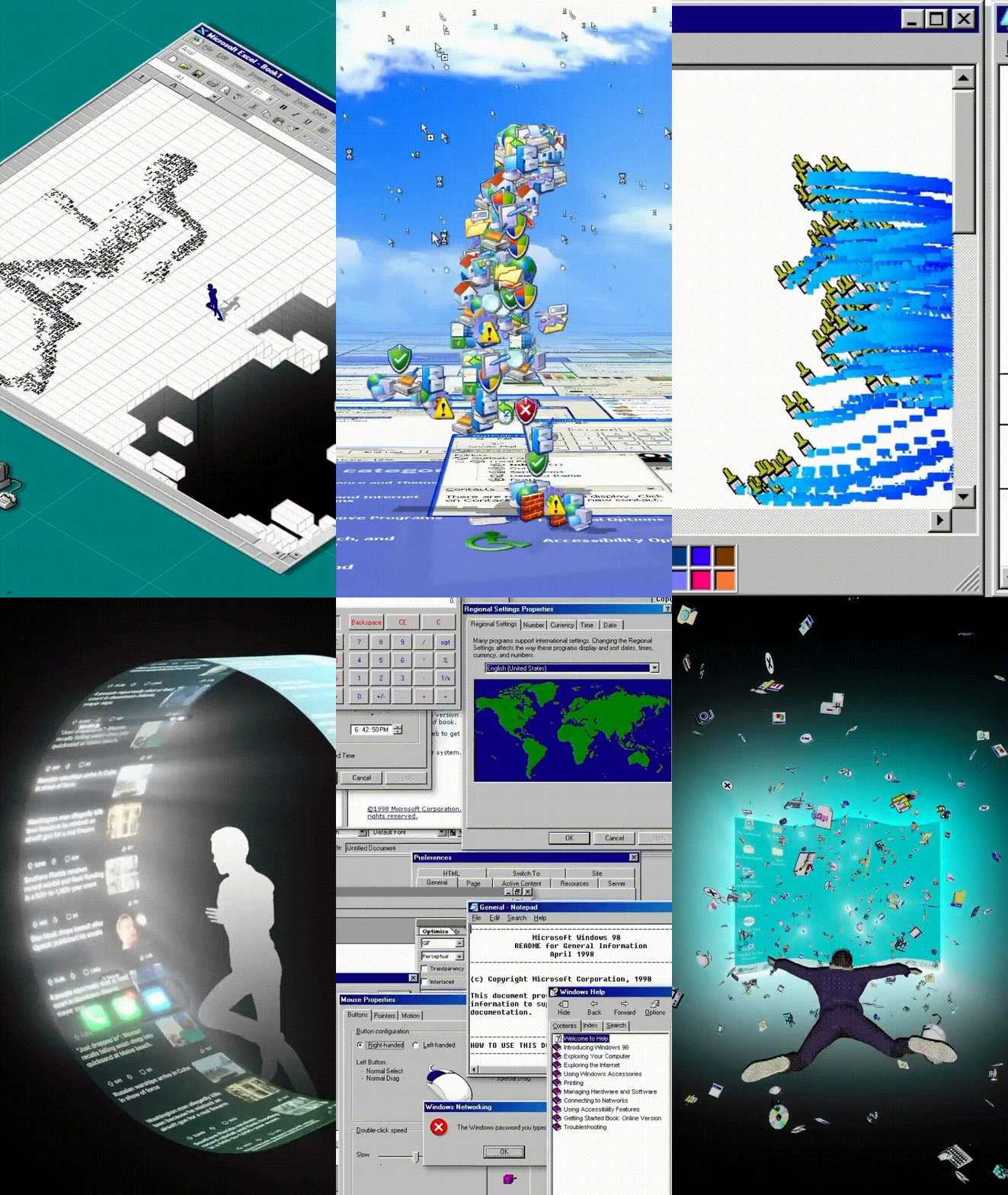
5 The post-cloud, post-mobile era
Good news or bad depending on where you stand: the traditional cloud business is dying. In 2026, it is nothing more than a transitional technology.
Geopolitics is accelerating the post-cloud. The radicalization of Big Tech CEOs and the new US-Europe conflicts have caught the industry off guard. We are entering the post-cloud era: managed services 2.0, air-gapped data centers, hybrid AI technologies.
How many companies are ready to switch when tensions with the United States rise?
The same question arises for startups that live only off the mobile ecosystem, turnkey cloud and ranking by the big platforms. They too must, at full speed, question their dependence on the App Stores, on social networks and on SEO, or risk ending up hostage to a technological war between the United States and Europe.
Those who thought they finally had a stable product with non-European cloud are now being challenged, no longer by activists, but by their own users, who criticize their technology choices.
For five years now, they should have had, at least on paper, a plan B.
6 The Internet of distrust

Because if there is one more thing to understand, it is that where the Internet rested on cooperation (at the level of TCP/IP routing), collaboration and emancipation, the New Internet will rest on the opposite.
Every problem we now have to face is counterintuitive (and heartbreaking).
The pragmatic decisions of the old world will be replaced by power struggles to be mitigated. Endlessly. So we will have to think differently: less analytical rationalism, more intuition.
I will have the opportunity to come back to this in detail over the course of 2026.
7 The disruption of the consumer Internet: AI made the smartphone dumb

The arrival of AI also brings its share of disruption for the consumer.
The arrival of ChatGPT has even changed the tool we use first every day, search, which is slipping further and further away from Google. All the software built before ChatGPT seems to be worth much less than before, just like our mobile phones.
AI has also inserted itself into the conversation on sovereignty.
Just as Europe is talking about creating sovereign clouds, AI has changed the rules and made this so-called sovereign infrastructure, built too late, almost obsolete. The battle being waged in the US with trillions of dollars has only widened the digital imbalance with Europe.
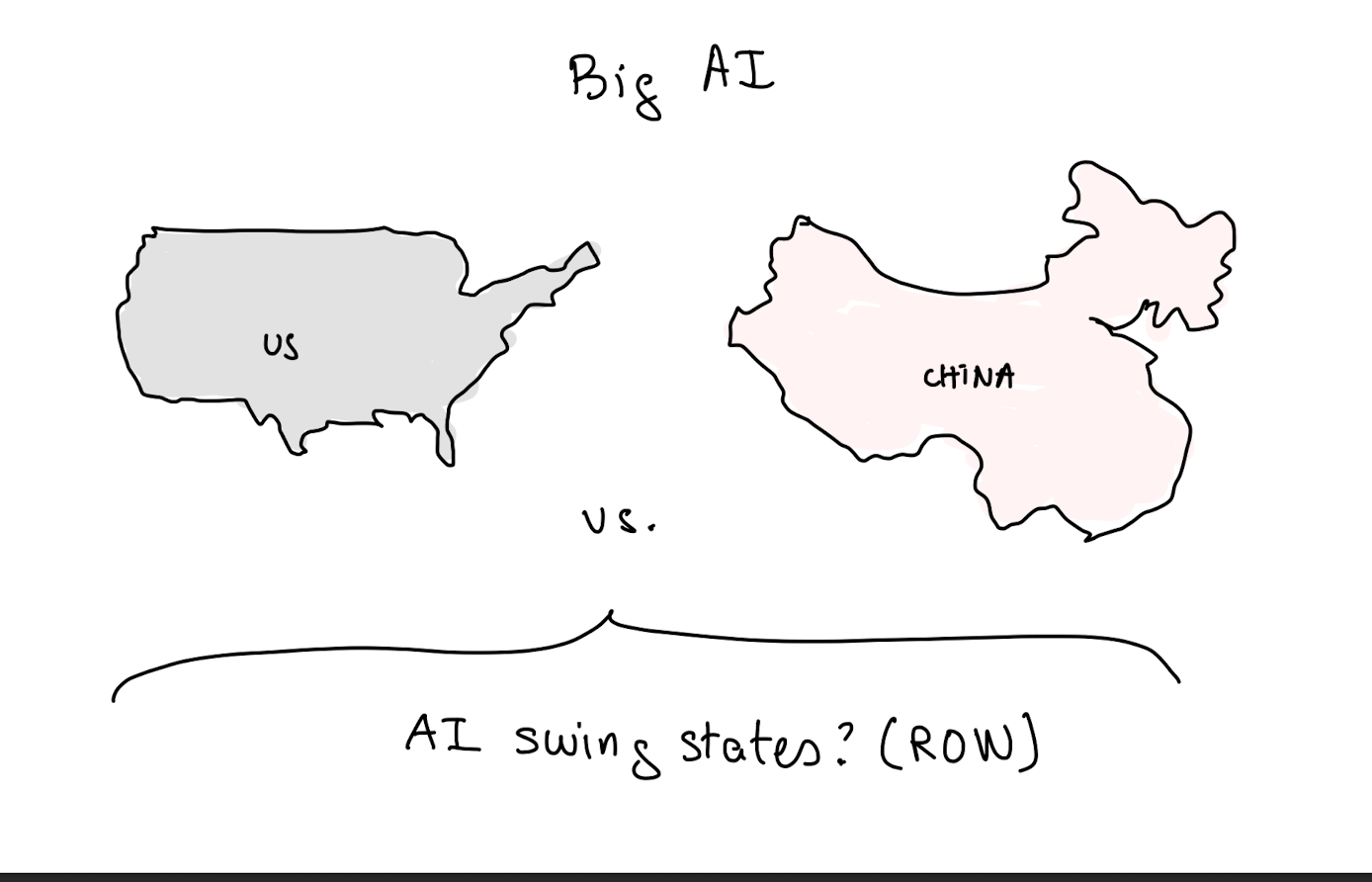
Between China opening up its knowledge to us and the United States raising the cost of use, Europe, like the other regions of the world, will have to become an AI Swing State, a place where both types of technology coexist.
8 AI and the bubble question
Obviously, beyond the technical, cultural and organizational aspects, we still do not know how AI will be financed in 2026.
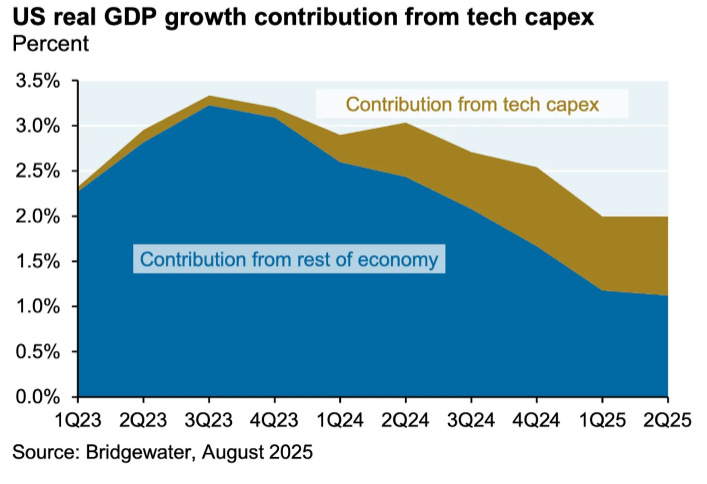
Remember that the construction of America's AI infrastructure is propping up a large share of its growth. With nearly 2,000 data center projects under way, the question of a bubble, and of profitability, arises.
It is worth remembering that SoftBank, one of the big financiers of OpenAI's Stargate project, sold its stake in Nvidia in order to honor its funding commitment to OpenAI.
Between the securitization of data center debt and Oracle's credit default swaps, it is time to rewatch The Big Short and ask what event could burst this infrastructure bubble.
One of the best scenes in the film (it's on Netflix)
A topic to watch, but one that must not paralyze your 2026 strategy. You have to be bubble resilient.
9 France is under attack
There have never been so many cyberattacks and data thefts. And yet no crisis communication from the government to date.
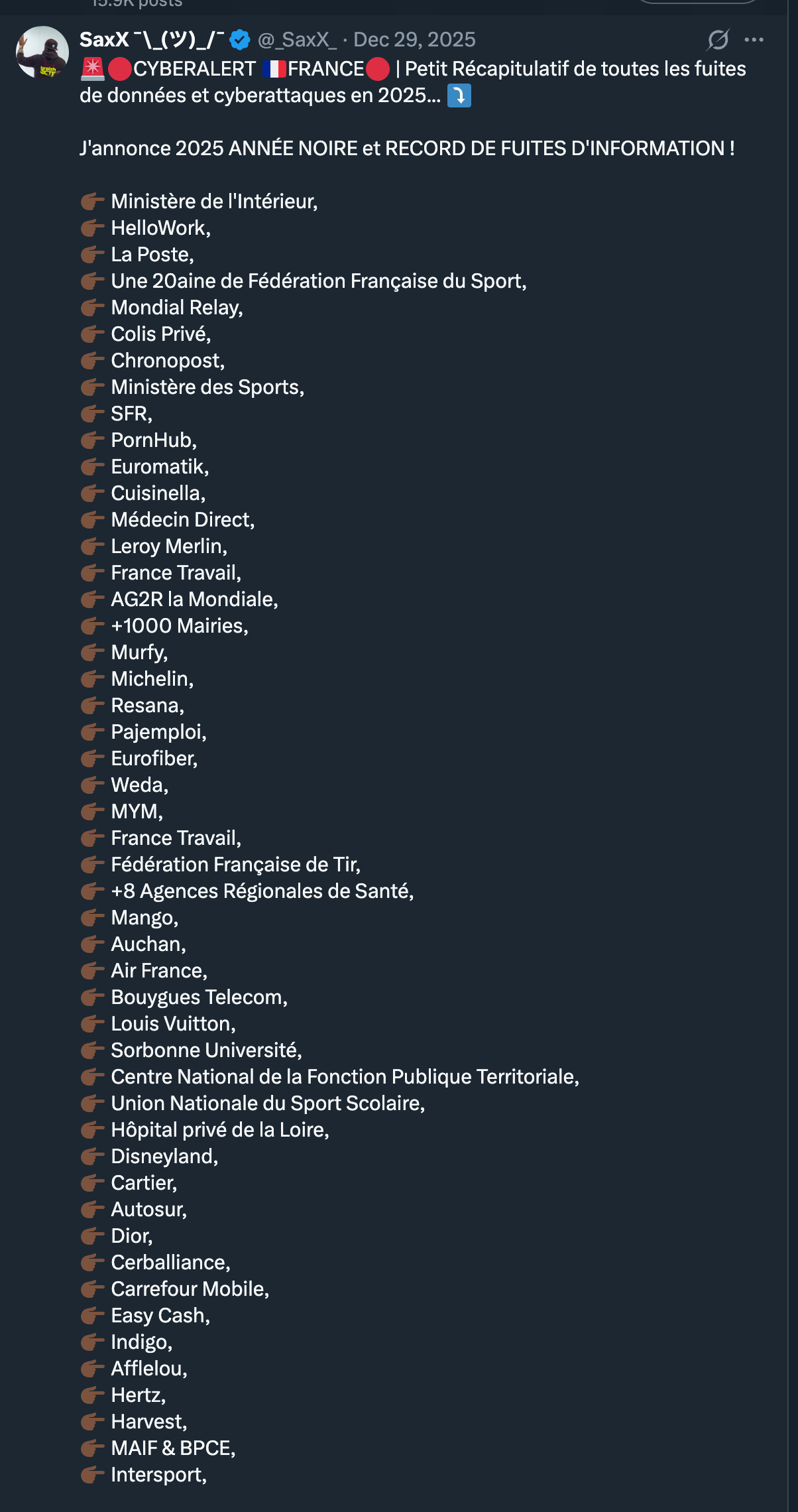
On the surface, nothing new. What happened in Ukraine, from a cyber standpoint (infrastructure hacking), from a hybrid warfare standpoint (disinformation), but also from an epistemic warfare standpoint (poisoning LLMs to force AIs to tell only a certain truth), is becoming the norm.
But France has never been attacked as much as in 2025. Has the strategy of protecting France only during certain events, like the Olympics, failed?
France is mired in a permanent, total digital war. This is no longer a low-intensity conflict. 9 out of 10 French people have been hacked. The list grows longer every day.
10 AI is disrupting the attention economy
This disruption is massive. Since Cambridge Analytica, we have known that the capture of attention on social networks affects politics.
In an election year, it is a subject to watch like a hawk.
All the rules of the 2000s are void with the arrival of agents.

They let everyone build their own personalized press review every morning, without seeing a single website or a single ad. People now talk about Web Zero to describe this phenomenon.
Remember that the lawsuit between OpenAI and the New York Times, which is the real AI Act (because this one will have consequences), originated in the fact that ChatGPT can reconstruct the newspaper's articles that it has read.
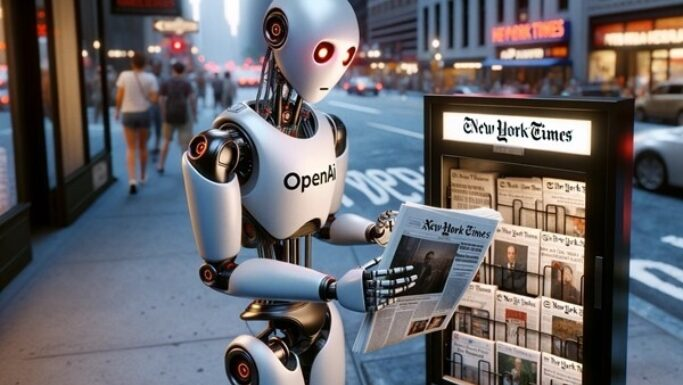
Note: this question of accessing the source content or its summarized or rewritten version will be one of the most important topics of 2026.
Writing things is becoming a dilemma. This newsletter was written by hand and edited for spelling and typography by AI. Yet I know that part of my audience will run it through their chatbot without, perhaps, reading it in full.
Do we have the time to choose what to read, or are we going to use the time we have to read more summaries? It is a question I often ask myself. I try to read as much raw text as possible, and above all to take notes by hand and to start from those to think.
I think that in 2026 we will have the automatable part of our cognitive life and a non-negotiable part, the one you have to maintain like your body.
It would be idiotic to let your brain atrophy at the very "geopolitical" moment when we will need it most!
Conclusion
In 2026, I will think things through with you (this newsletter), help some of you (The Sovereign Way), and build new things in the same spirit.
When I look at who reads me, I see a varied audience: geeks and CISOs, but also people in ministerial offices, defense, intelligence, AI startup founders, researchers, and private individuals who just want to think differently.
For two years, you have convinced me to write, to take the time to express my thinking. I am infinitely grateful to you for it.
As you know, I am a heavy consumer of news, and I share all my strategic monitoring with my paying subscribers.
I also share little-known sci-fi films as part of the Film Club.
 Tariq KRIM
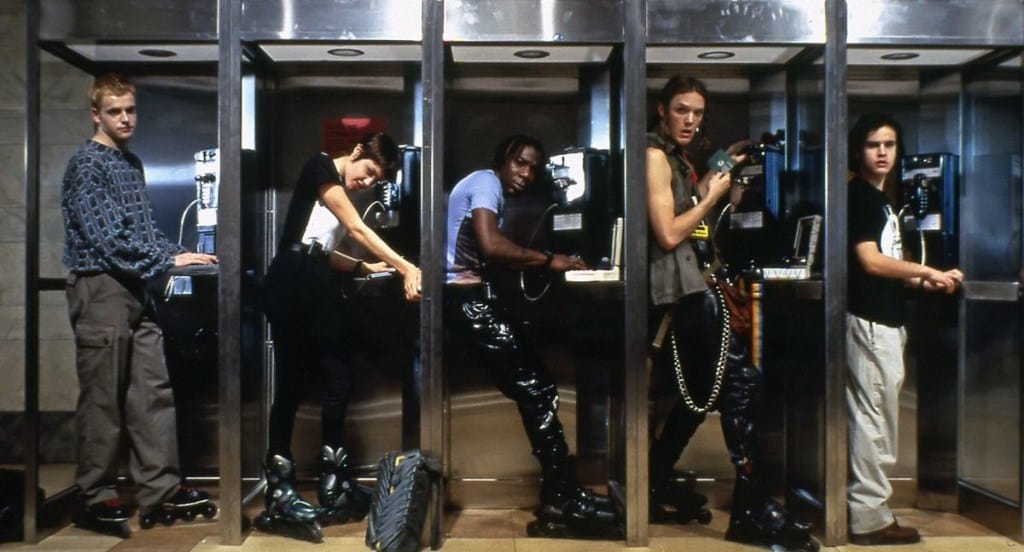
So, have you seen any of them?
Thank you for your trust, and see you very soon.
Happy New Year to you all!
Read the full article
Sign up now to read the full article and get access to all articles for paying subscribers only.


