

A rupture that begins today
We are facing a change of unprecedented scale in the design of AI system architectures, and it is far from certain that most of us fully grasp its importance, and above all the radical impact it is going to have on the way we write software.
I am not talking about tools for building software via prompts, what is known as vibe coding, which has just crossed a new threshold with the launch of Google's firebase.io, an impressive tool (link for subscribers at the end of the newsletter).
No, I am talking about the agent-to-agent (A2A) protocols announced by Google, which come on top of Anthropic's Model Context Protocol. The combination of these two services opens up a field of possibilities that will eventually not only transform the way we design software, but also redefine the very foundations on which our society runs.
The question that has been nagging at me for a few months is this: what happens when we fundamentally change the substrate on which the execution of software rests? Because in the end, the world we live in is a world of software.
The end of deterministic software?
For 70 years, we have always built software the same way: with explicit instructions, explicit connections, in short, with explicit logic. We have designed deterministic software.
Every interaction has to be programmed, every data flow has to be defined, every decision point has to be fully mapped out. The waterfall model is the standard. Regardless of the quality of the programmer and the language used, you can play with speed, performance, size, even the elegance of the code, but one thing does not change: the software can only do what it has been told to do, and nothing more.
It is always limiting and frustrating, because you live in a world where everything has to be anticipated, where you know the limits of what you have created. With Web 2.0, we extended that: it is no longer a human facing a machine, but humans interacting with one another, within frameworks programmed in advance, with all the side effects that implies.
Starting today, things are going to speed up. And many engineers have not seen it coming yet.
MCP: a breach in the code
MCP is the first real breach in this paradigm, because instead of programming exactly how an AI should use tools, MCP lets you talk about and describe the tools and their capabilities in a structured way, then leaves it to the AI to work out how to use them.
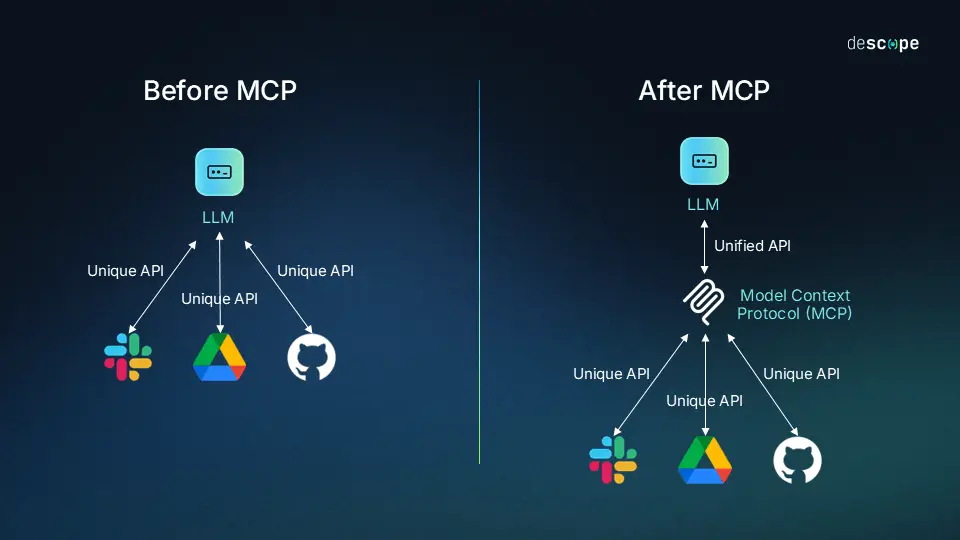
It is a subtle but truly profound change. We are moving from explicit programming to the description of capabilities. Prompting becomes the interface.
So MCP is transforming the way we design software. We have agents that determine for themselves how they will use existing tools via the MCP protocol.
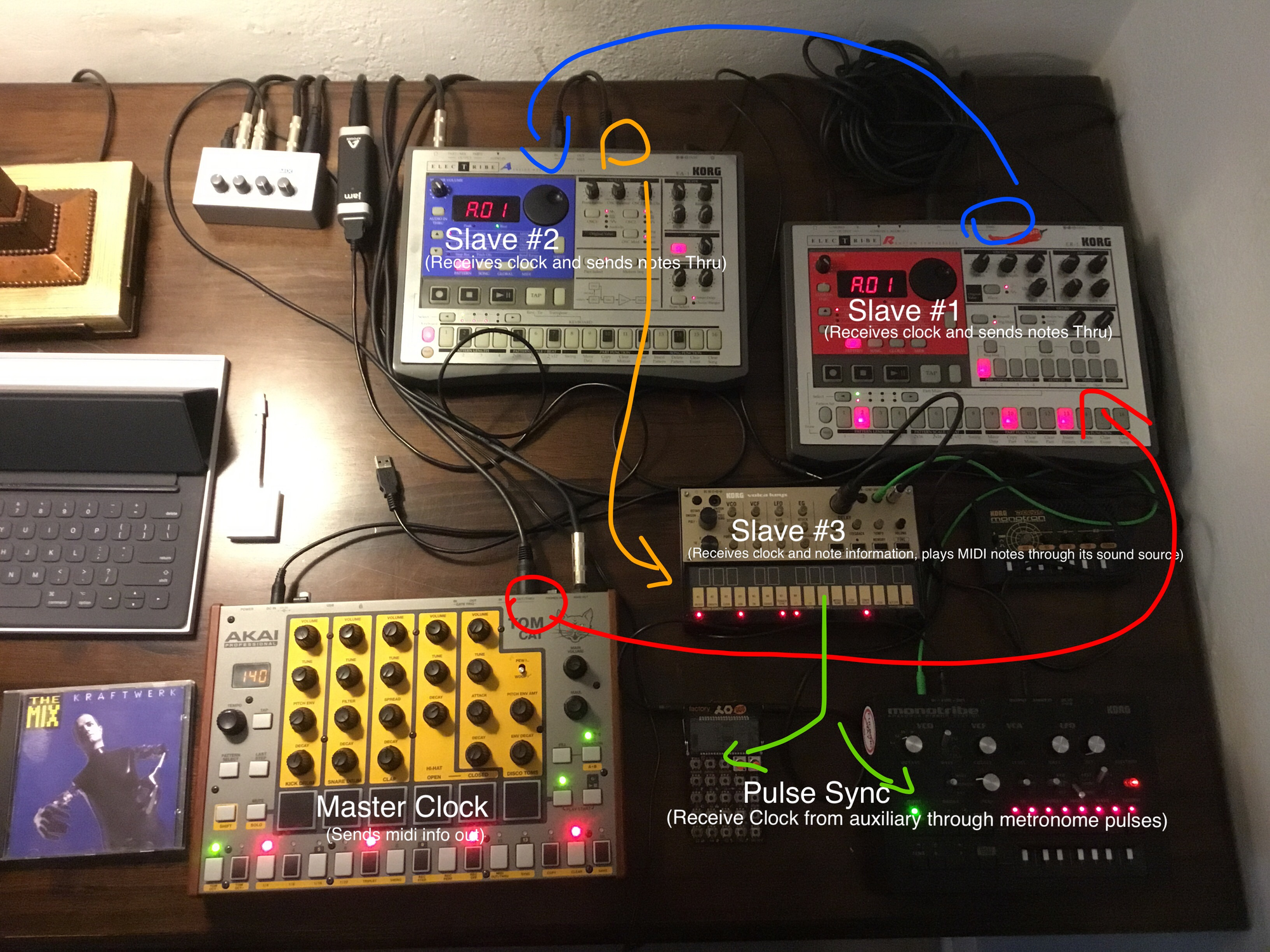
Imagine a MIDI setup where the machine configures the connected synths by itself, after you have simply told it the style of music.
A2A: intelligence becomes a network
MCP is revolutionizing the relationship between AI systems that talk to each other directly without going through us, but something was missing for the revolution to be complete. That is where A2A, Google's agent-to-agent, comes in.
(continued for subscribers)
Read the full article
Sign up now to read the full article and get access to all articles for paying subscribers only.


