

The "Claude Code Effect," which many consider a new ChatGPT moment. What to make of all this?

- I got back yesterday from DLD, the conference where you take the pulse of tech just before Davos. As every year, plenty of conversations and meetings with the cream of the crop of AI and defense entrepreneurs, but also a great many academics.
- A chance, among other things, to reconnect with Maria Ressa, Nobel Peace Prize laureate but above all, in my eyes, a tech activist and media expert, and to catch one of the best talks (link at the end): Meredith Whittaker of Signal, as combative as ever on privacy.
- Thomas Madsen-Mygdal, founder of the Rebuild.net initiative, invited us to a lunch co-hosted by former European Commissioner Margrethe Vestager.
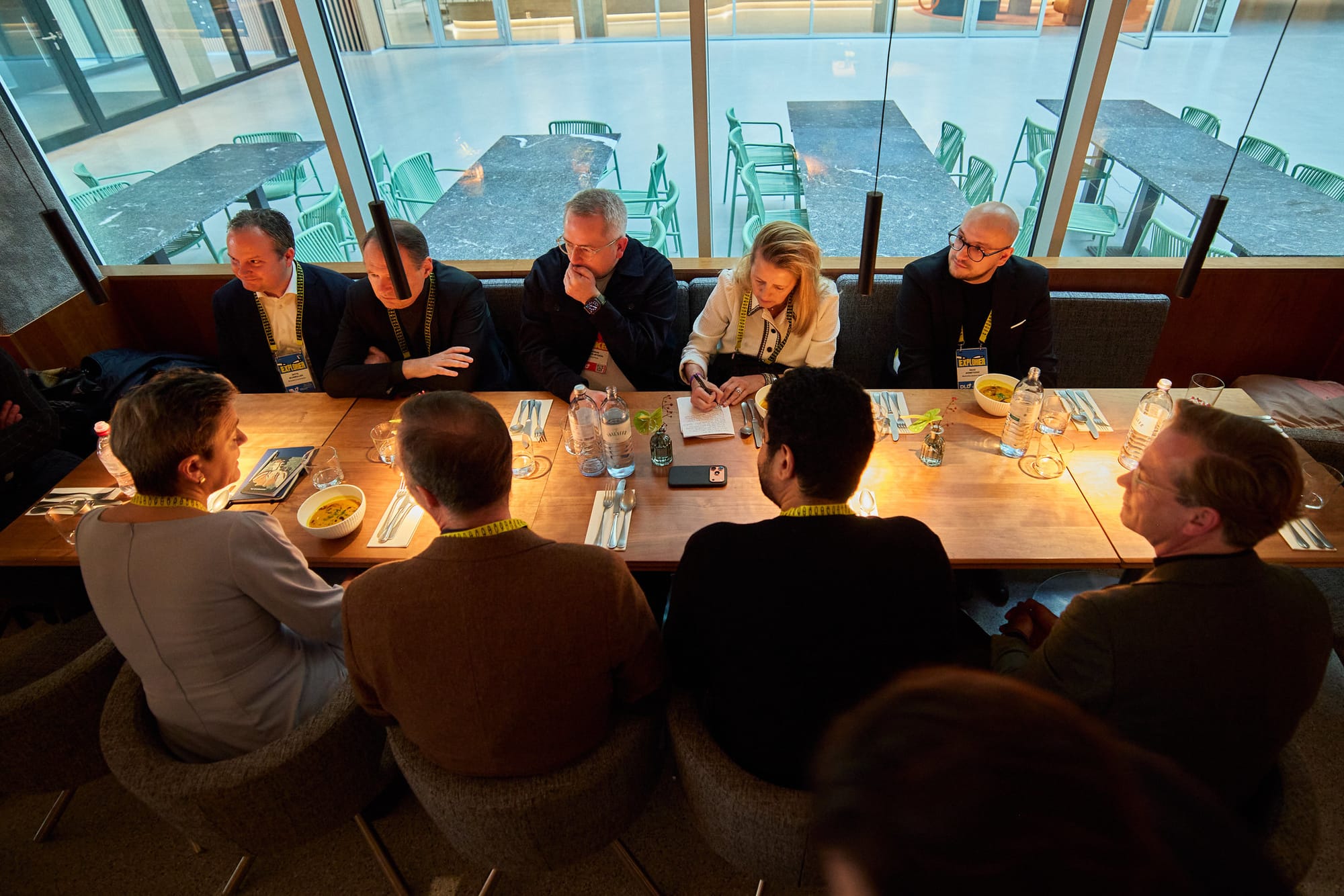
As always, I never discuss the content of my conversations (Chatham House rule), but it is obvious that digital sovereignty, Greenland and the situation in Iran were at the heart of the discussion.
A few remarks on digital sovereignty
Before turning to this week's topic, the Claude Code Effect, which many consider a new ChatGPT moment.
- The countries I consider the most vocal on digital sovereignty, namely France, Germany and Denmark, are also the ones moving the slowest.
- To be honest, I found that many defense tech startups were more in a "the current chaos in the world is great for raising money" mode than in any sense of urgency. But it is true that conferences where investors and entrepreneurs gather always give off a bit of that impression.
- The other thing that fascinates me: when you talk to people, you get the impression that the timeline they have in mind is ten years, five at best. Even with Greenland, they are incapable of picking up the tempo.
- When Macron goes to Greenland to show solidarity with the Danes, he cannot give us a timeline for decoupling the strategic sectors. Either because he does not believe in sovereignty, or because his entourage has no capacity to implement it. Probably a bit of both.
- 🔗 Worth reading: Venezuela was the target of a cyberattack according to the New York Times, but the French cyber leadership I met thinks otherwise. Fascinating!
📺 For new readers, here again is my 2023 DLD talk, which anticipated much of what we are living through today:
With this newsletter, I see myself a bit like a chef offering you starters (opinions on a topic), main courses (a more in-depth reflection) or desserts, like the film clubs, which are very popular.
Since launch, I have chosen to keep the price very low. Some notes are worth several times the subscription price on their own. A consultant told me recently that a single one of our newsletters had landed him a year-long contract.
The affordable price also reflects a desire to reach audiences beyond my initial target: students in particular, but also small SMEs, and anyone who wants to think these issues through with us.
💸 Please note: the subscription price will go up by the end of the month.
So I wanted to offer you the option, if you wish, of keeping the current rate by subscribing before the increase. I know this is not a commercially intuitive approach.
- If you subscribe at the €60 rate, as a founding member, that rate will not change.
- If you are on the €99 rate, as a co-founding member, and you subscribe now, that rate will not change.
ℹ️ As a paying subscriber, you get access to:
- the site's entire archive,
- all my monitoring via a private channel,
- priority replies to your emails,
- the events we organize,
- the meetups of the Digital Resilience Council (Conseil de la Résilience Numérique), held on the sidelines of the conferences where I speak.
It's here
Who will win the chatbot battle?
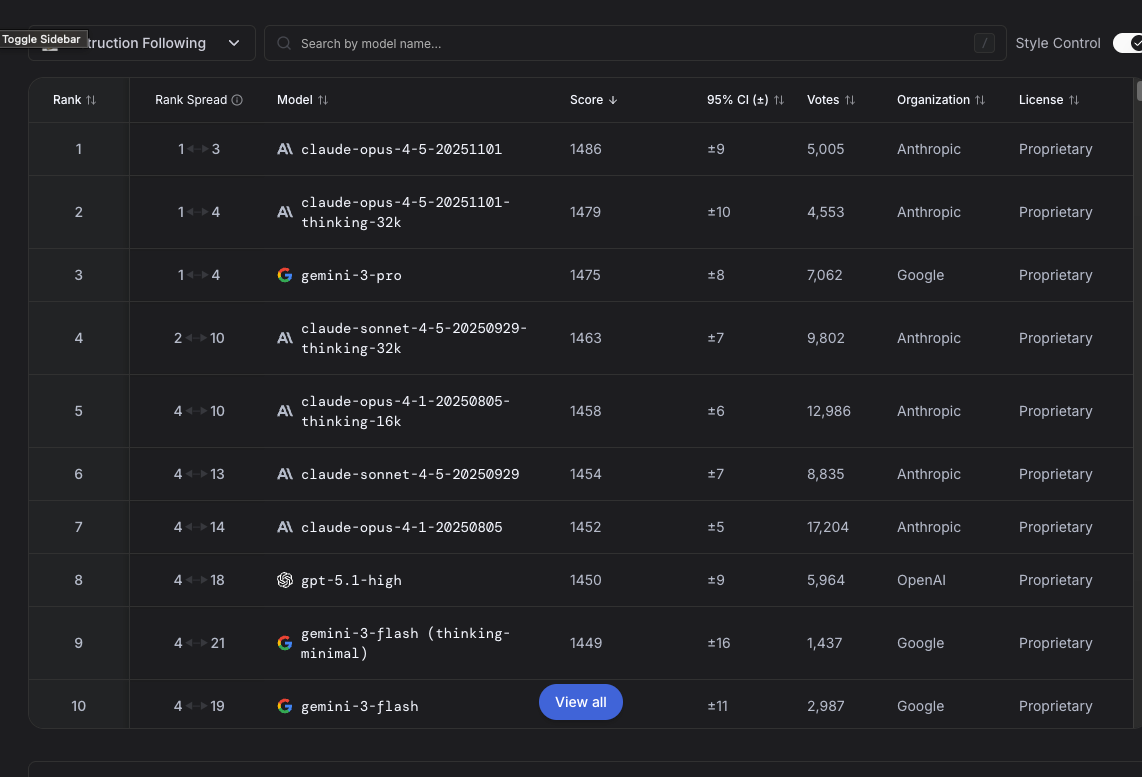
As you know, the subject closest to my heart is the question of product and AI.
What if an LLM's personality were the product strategy of a chatbot?
Many of us must have thought about it with the switch to ChatGPT 5.0. It felt like facing a product with a different personality, a different way of writing and thinking, one that broke two years of "ways of interacting."
I remain convinced that part of the success of the shift to Gemini, beyond its excellent quality, also has to do with a broken attachment to ChatGPT.
This raises a real question, because when we talk about LLMs, we mostly talk about benchmarks, resources and the billions invested. That discussion was relevant two years ago, but we now expect different things from an LLM.
That is what I want to talk to you about this week, because understanding this strategy will also help us anticipate what we need to do in 2026 to keep preserving our cognitive autonomy.
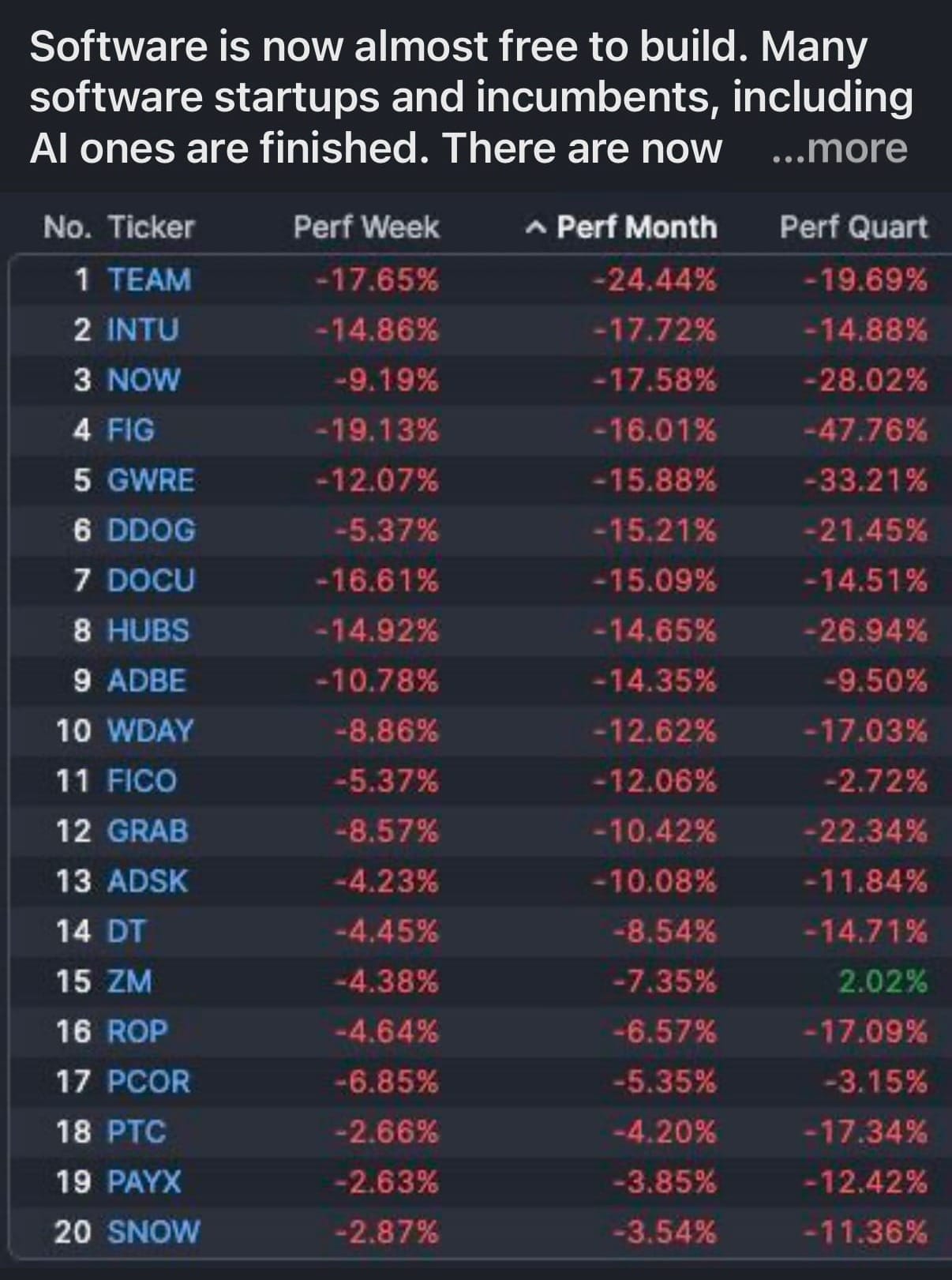
You will have noticed that Claude Code, Codex at ChatGPT (hi Romain) and Gemini CLI (hi Jeremy), by giving the impression that writing software has become a commodity, have sent stock market valuations tumbling.
Look at this chart:
Between everyday Casual GPT and "Nobel Prize as a service," there is a whole range of options and strategies that we are going to explore together.
The three levels of experience
LLMs can now be assessed along three levels of experience.
Level 1: casualGPT
This is what ChatGPT and Claude handled well from launch, and what made the magic possible. Tasks that are relatively simple for the machine but magical for us: proofreading, summarizing, rephrasing. A capacity for synthesis that no longer surprises us. This use is a mass market, because it matches our natural need to ask questions, request explanations, or simply have our emails written for us.
Typical examples:
- "Fix the mistakes in this text"
- "Summarize this article for me"
- "Write a follow-up email to my client"
- "Explain the difference between X and Y"
- "Give me birthday gift ideas"
- "Translate this paragraph into English"
It is more or less conversational assistance. The model answers, you move on. No follow-up, no complexity, no context to maintain over time.
Level 2: applied work
Read the full article
Sign up now to read the full article and get access to all articles for paying subscribers only.


