

Ten years ago, in my talks and my classes, I used to speak about a concept that has been very important to me: the analog Internet. It has always been at the heart of the products I have designed.
Many of us grew up with books, magazines, audio and video cassettes, then compact discs and DVDs, with tapes and then floppy disks for the various computers we owned. Photos still referred to a physical object.
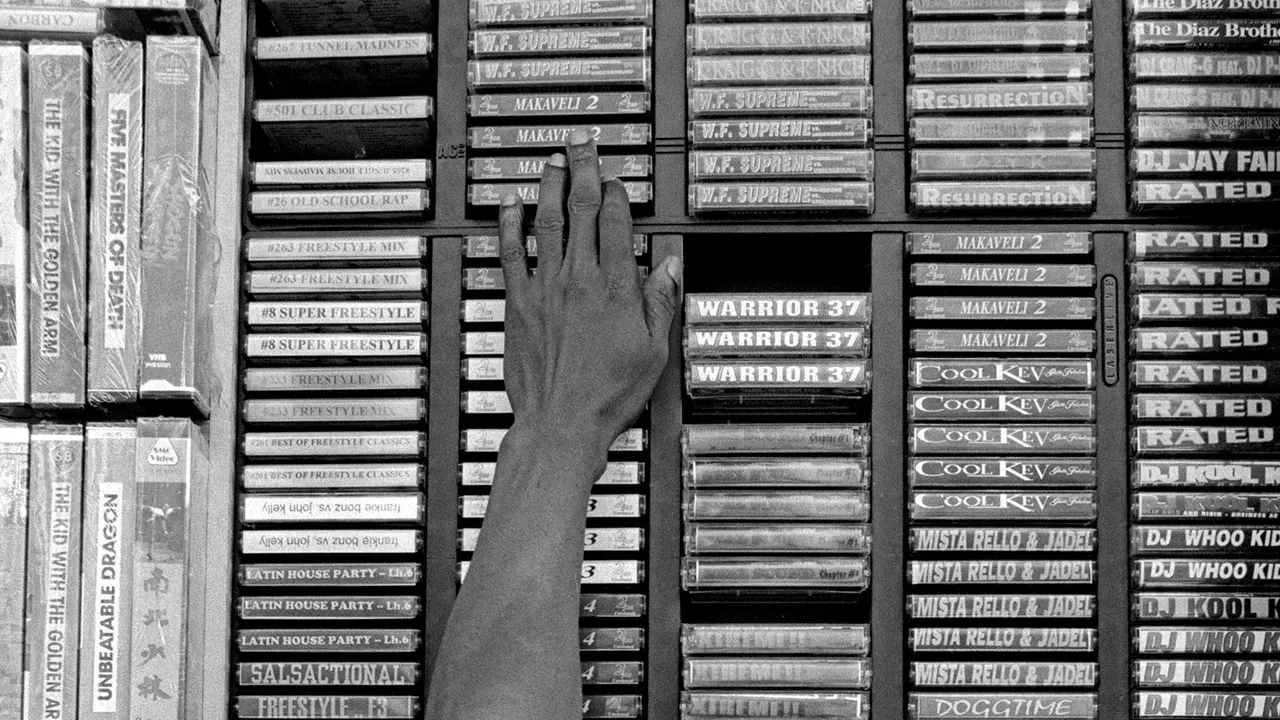
For a short period of our digital history, these objects took on a digital embodiment in the form of files and multimedia content that we kept on our computers and our hard drives.
Then what we owned got mixed up with content that was not ours, and the cloud, then AI, if they did not make it disappear entirely, pushed it to the margins.
Computing was personal because we had personal things in our computers, digitized from the pre-computing era, or created and stored by us at the time of the great transition in the 1990s.
It is worth remembering that the first calculating machines, the first mainframes, were designed above all not for humans but to solve problems.
Those early computers, which ran on vacuum tubes, were not reliable enough, like the ENIAC and its 18,000 tubes, with an average of two days between failures. If that was apparently enough to calculate missile trajectories correctly and quickly, or for the Manhattan Project, it was not enough for any other use.
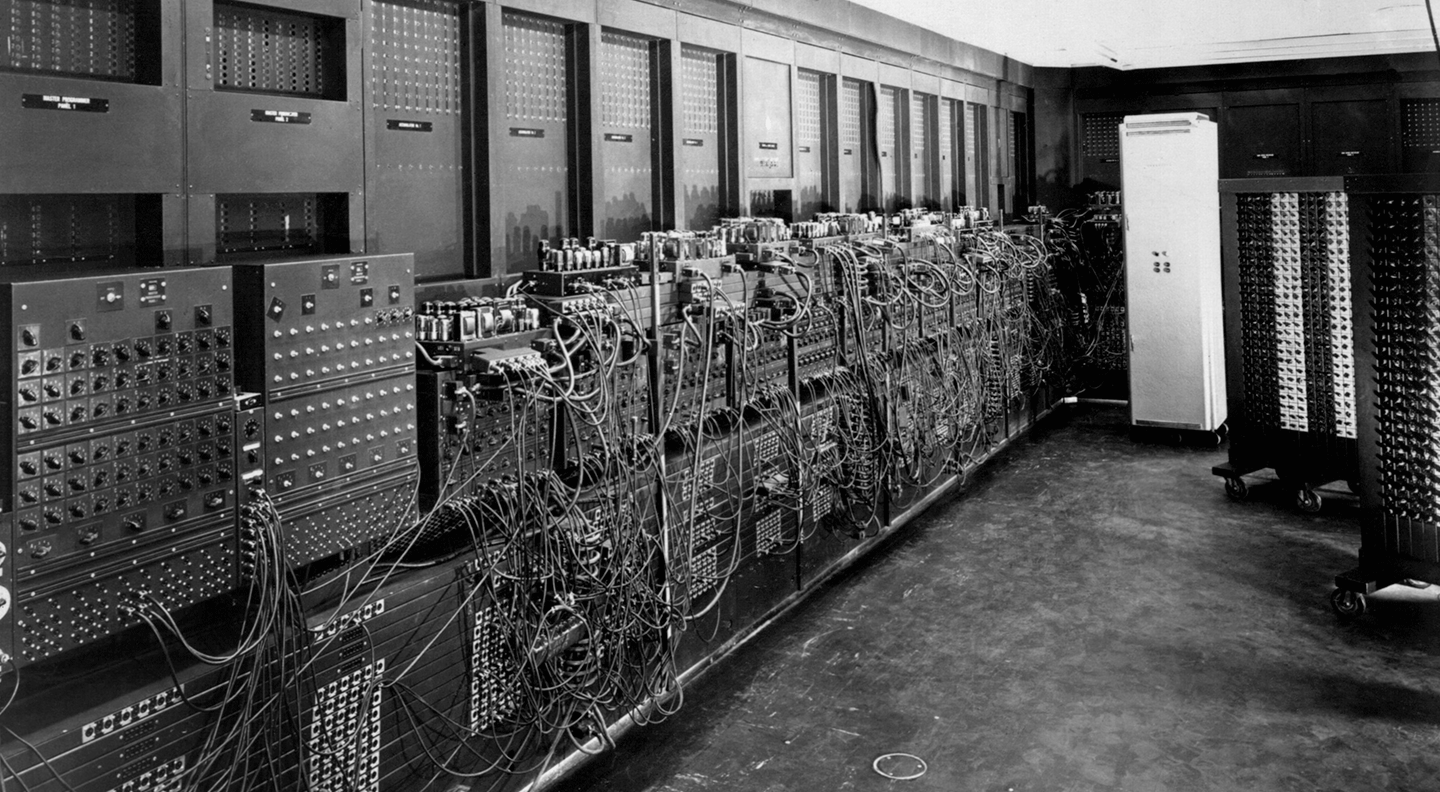
A large part of the reliability problems began to disappear when tubes were replaced by transistors.
That is when it became possible to pay more attention to something other than "compute," such as the question of data storage, with the spread of magnetic tape.
But computers remained impersonal. They were an extremely expensive processing space that required an army of technicians to keep running. It would take until the 1970s for the idea of a computer that was accessible and operated by a single person to become conceivable.
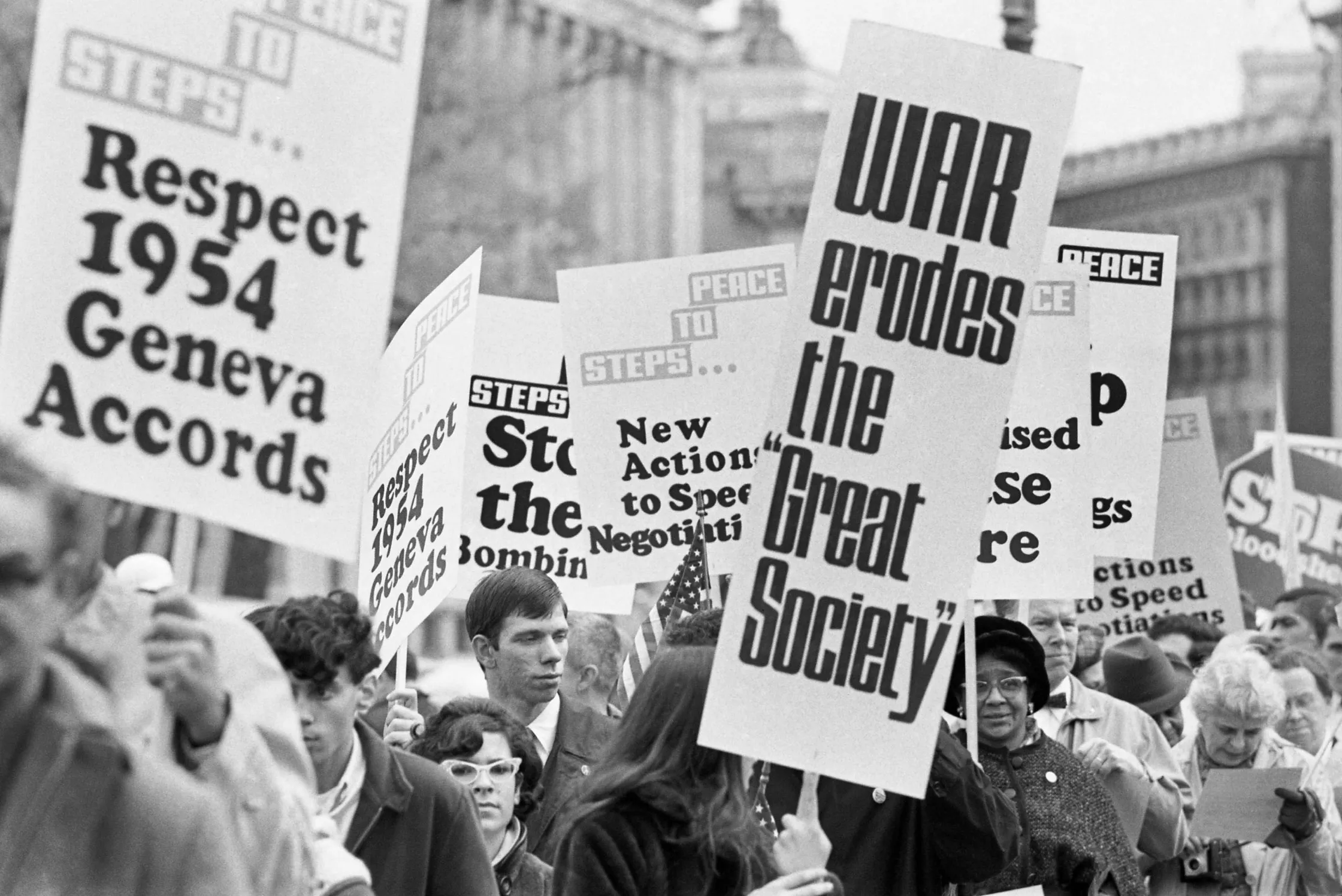
The idea of a personal computer was revolutionary in the literal sense of the word. In the 1970s, many researchers refused to go into computing because it meant supporting the war effort in Vietnam (the first "data war") or the filing and cataloging of society.
The concept of the personal computer is attributed to Stewart Brand. In a legendary article (Fanatic Life and Symbolic Death Among the Computer Bums) in Rolling Stone magazine, on December 7, 1972, he predicted that computers were passing from the hands of military institutions and corporations into those of individuals. But the reality is that it was the hobbyists who would turn that vision into reality.


It is a thesis he would go on to champion in the Whole Earth Catalog.
Legend has it that he also played a part by supplying LSD to Doug Engelbart before his The Mother of All Demos, or so the legend goes (I asked Stewart about it years ago, and he answered with a big smile).
That demo is a key moment in the history of personal computing. On December 9, 1968, in San Francisco, computing changed its face forever.
Mother of all demos
Obviously there is everything we know about that project, the invention of the mouse and of collaborative visual interfaces. But for me the revolution lay elsewhere. It was the first time anyone had seen direct interaction with the machine, the user typing and navigating through the content. The computer was becoming the cognitive extension of the user. But NLS, its operating system, also invented the notion of the personal document. You could edit documents for yourself, notes and diagrams, because the product was far more powerful than some word processors today.
It is a moment of symbolic tipping: we move from centralized, bureaucratic, institutional data to personal data that anyone can manipulate. This shift resonates with the personal empowerment of the late 1960s: the distrust of the Vietnam War, but also the civil rights movements, feminism and alternative communities.
Stewart Brand, writing about computing at the time, after the Mother of All Demos: We are as gods and might as well get good at it.
"We are as gods and might as well get good at it" would become the slogan of the Whole Earth Catalog.
Doug Engelbart took us in a different direction from the SAGE project, which used computer interfaces in the service of an ultra-centralized project that cost tens of billions of dollars (in today's money).
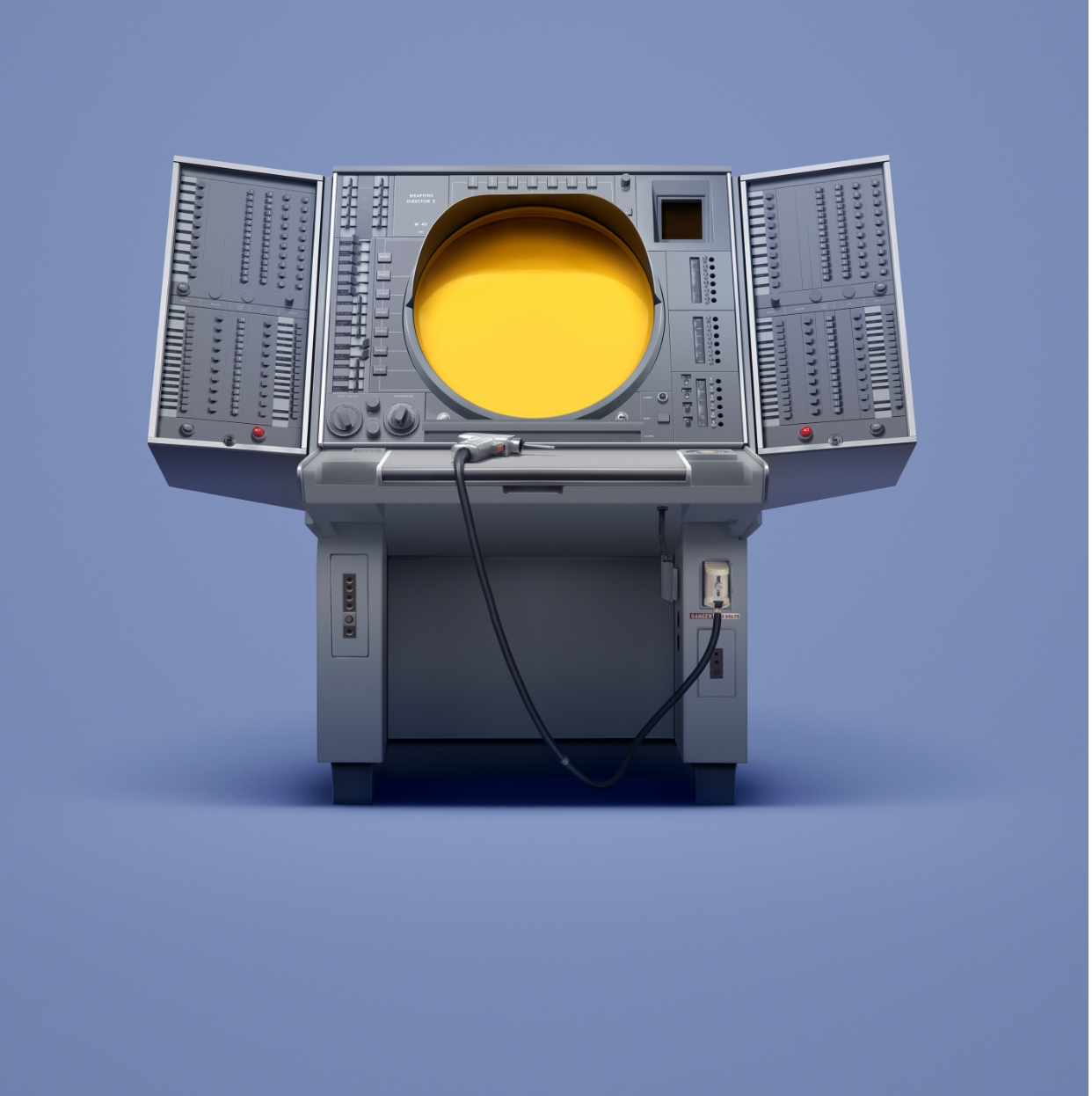
Empowerment or command machine: it is the former that would transform computing and our lives. It is impossible to talk about that moment without recalling that 500 meters away, John McCarthy, co-founder of the concept of artificial intelligence, was imagining that the machine would replace the human.
From Xerox PARC to the home computer
Two years later, at Xerox PARC, several teams would work on the idea of personal computing. The Alto, a legendary computer, became the prototype of what modern computing would become.
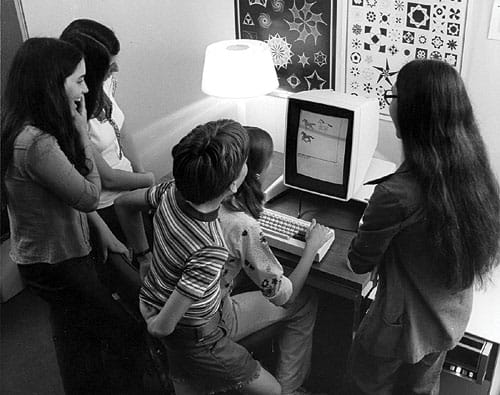
There, tools were created in which the user manipulates their own documents. For the first time, data, texts, images and programs were no longer stored in a computing center but directly in the user's personal machine.
A text written by you becomes a text that belongs to you. Xerox would also create the local network and collaboration, with the first questions about the security and confidentiality of documents in a distributed environment. Alan Kay (husband of the screenwriter of Tron, Bonnie MacBird, a film that is being rereleased this week in an absolutely incredible 4K version) invented the Dynabook and went even further by imagining a portable machine where everyone stores, organizes and carries their information with them.
But for many of us, these innovations would remain invisible until the appearance of Apple's Lisa, the forerunner of the Macintosh.
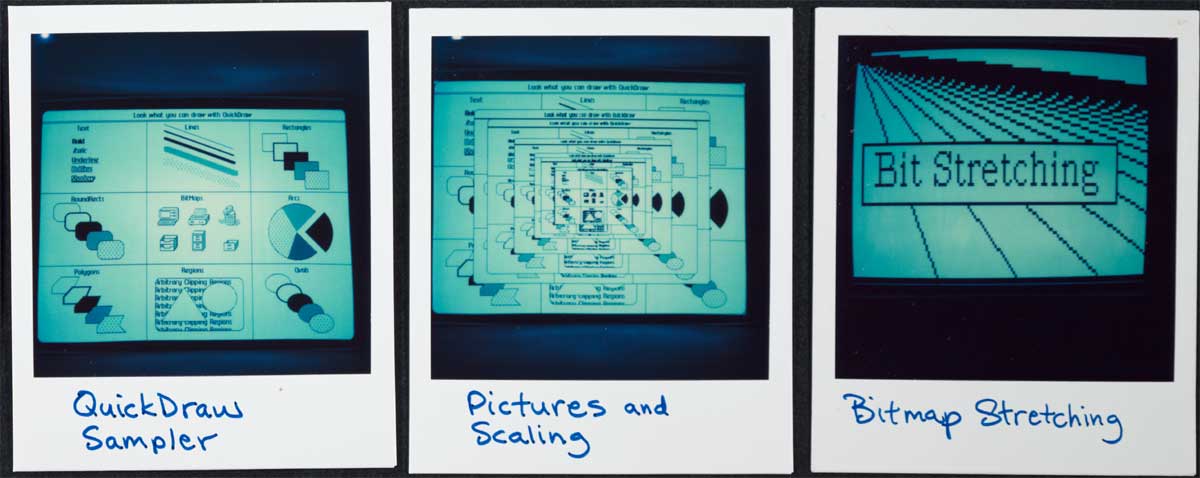
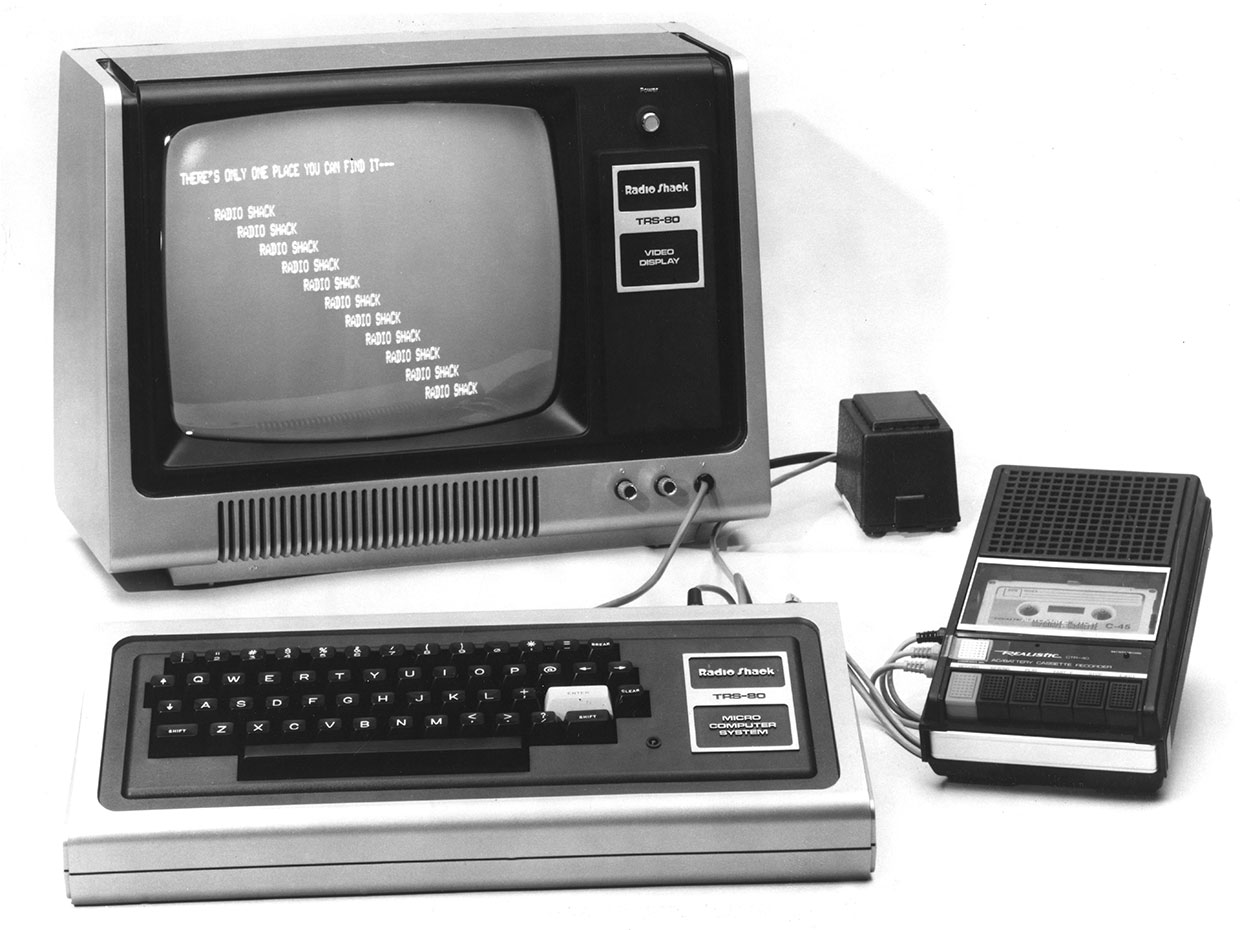
It was through what was called home microcomputing that young Europeans would be exposed to personal computing. In the United States, the Tandy, Apple, Commodore and then IBM PC machines were often sold as personal productivity tools, with home office software such as personal finance programs. American culture pushed very early toward connecting to outside services: BBSs, CompuServe or The Source.
Conversely, "home computers" arrived in Europe by another route: ZX Spectrum, Amstrad CPC, Thomson TO7/MO5 in France, Commodore 64, with one dominant use: video games and learning to program, which often meant typing BASIC by hand, copying out programs published, for example, in the magazine Hebdogiciel.
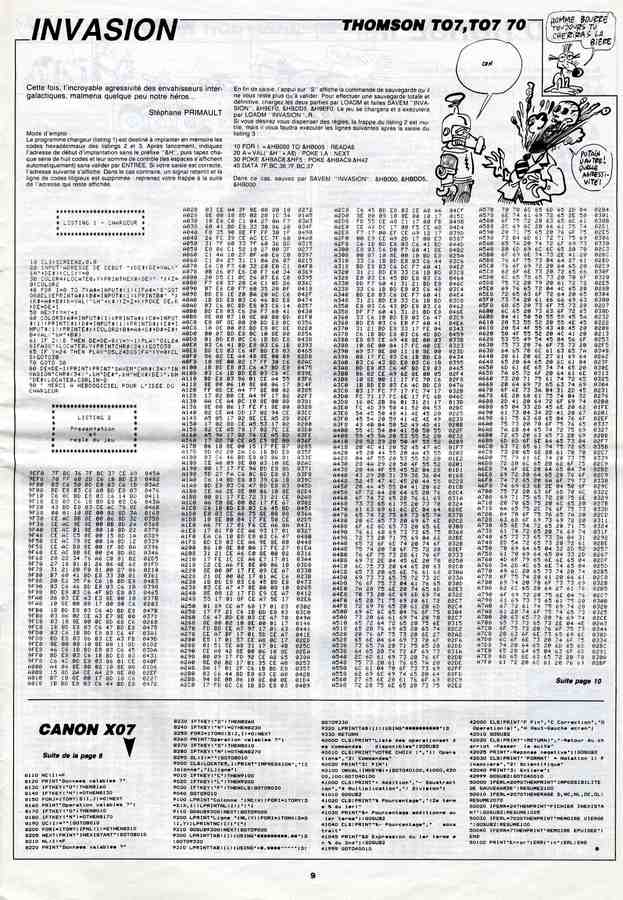
I like to remind people that an entire generation copied out hundreds, even thousands, of lines of code by hand.
That is why, today, prompting or vibe coding seem almost magical, compared to the time it used to take.
Even if these machines sometimes used the same processors, they were notoriously incompatible. And so were the storage media. The early 1980s were a period of intense creativity in media, between the ROM cartridges inherited from Atari video games (or, to be precise, from Jerry Lawson and the Channel F console), audio cassettes, 5 1/4-inch floppies, Amstrad's 3-inch floppies and finally Sony's 3 1/2-inch floppies, which established themselves as the floppy disk standard, and then the first hard drives.
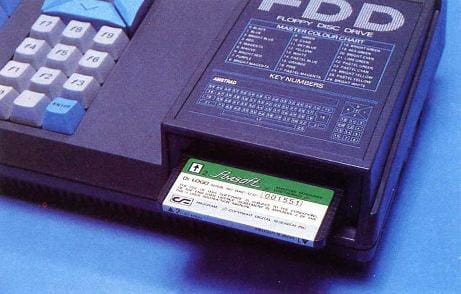
Except for those who had an IBM PC, most of the archives and content created at the time lie dormant in totally unusable formats. Each personal memory was tied to a machine. The disappearance of the machine meant the disappearance or inaccessibility of the data.
Aware of this problem, Apple eventually made PC floppies readable on its Macs, at a time when everyone was starting to archive their work on hard drives or Zip Drives. When I visit designers who lived through that era, I often find old hard drives or archives on their shelves, still bearing witness to a bygone age.
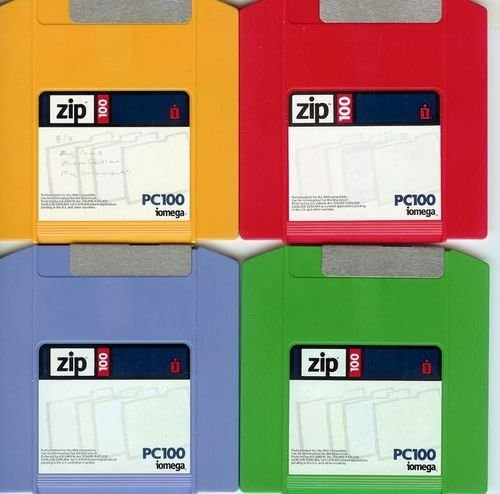
But while the archiving tools existed, the idea of the analog Internet really took shape with Steve Jobs's return in 1997.
The iMac, launched in 1998, changed the game. Many remember its translucent, colorful, fun side, but many forget that beyond its translucent design, this computer would transform the digital world.
There was no more floppy drive, but a CD-ROM.
All the connectors were USB and became universal: printer, scanner, drives, digital camera, then MP3 player.
The following year's version included Wi-Fi for the first time.
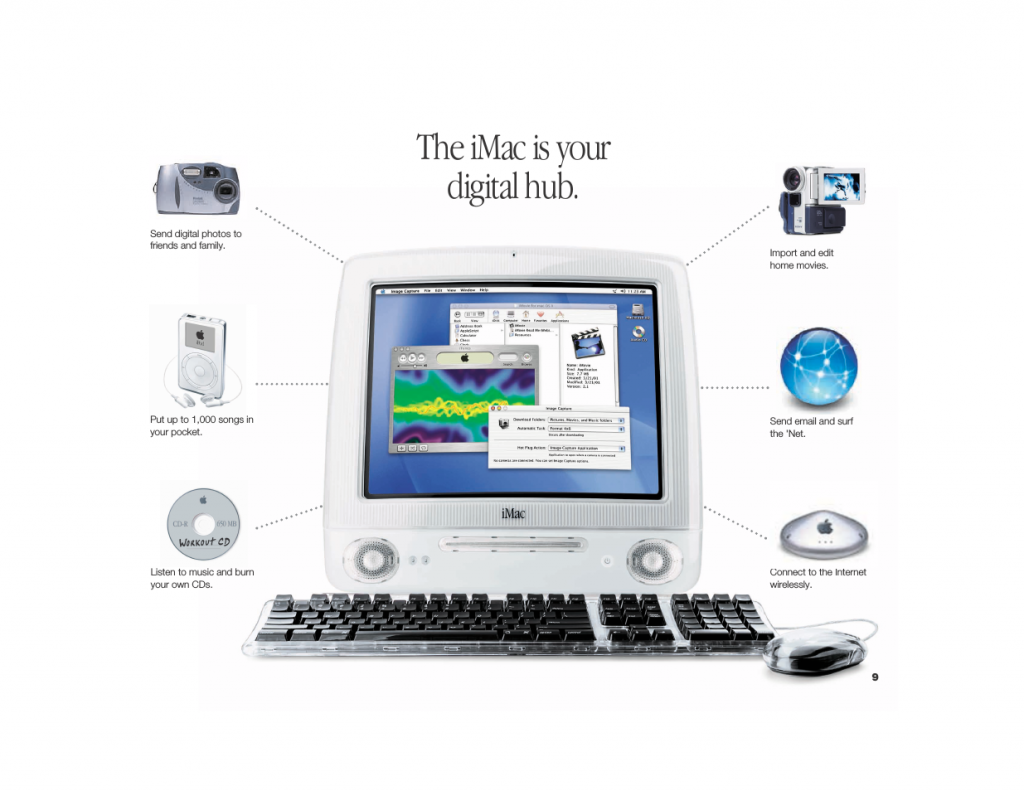
But above all, this is where the digital hub vision began. Apple positioned the Mac as the center of digital life with the arrival of iTunes, the iPod and iPhoto, of video and documents.
Suddenly the computer went from a tool for experimentation and productivity to an extension of our digital life. The idea of being able to centralize, and therefore organize, our digital lives became possible.
But as is often the case with Steve, it was not really his idea. The story is told in an excellent documentary by The Verge.
In the early 2000s, Steve Jobs and Jeff Hawkins crossed paths at a dinner in Silicon Valley. Hawkins, creator of the Palm Pilot, who had just launched Handspring, defended his vision: "the center of digital life will be in the hand, not on the desk." For him, the computer would be a mobile phone (or a personal assistant).
Jobs, for his part, defended the opposite bet with the idea of the Digital Hub, in which "the Mac is the center, the other devices just connect to it."
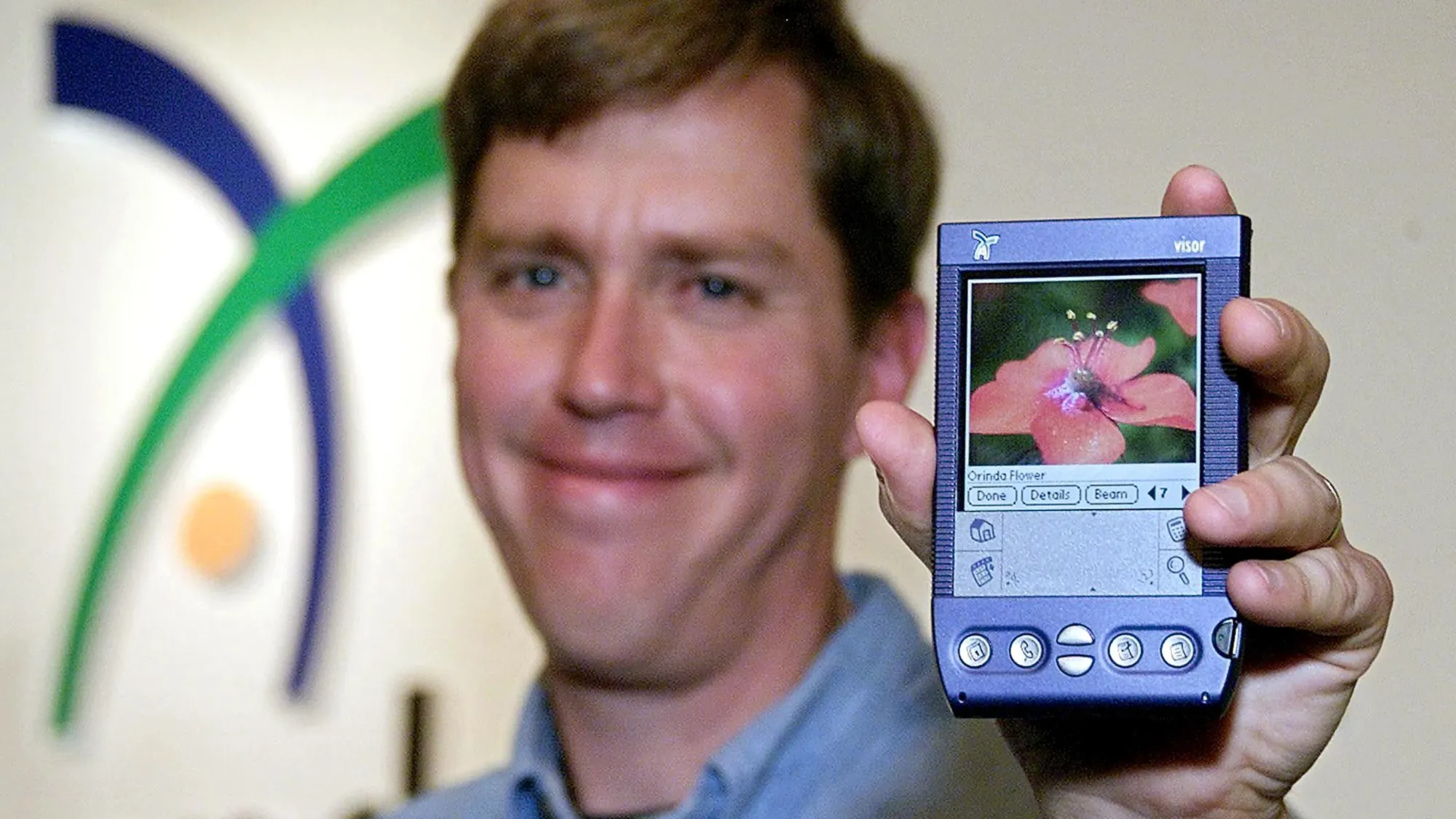
Voices rose: Hawkins insisted on mobility, Jobs on centralization. Hawkins threw something like this at him: "You don't get it, Steve, people want their digital life with them, all the time."
Legend has it that this is when Steve Jobs truly understood the point of working on a phone, and the fruit of that thinking would come a few years later, with the pivot from the iPod to the iPhone, which is to say exactly Hawkins's intuition.
You have to understand that what Apple managed to do at the time was to convince a phone carrier, AT&T, to let it build the device it wanted without any carrier modifications. Hawkins never managed to get that from the carriers, and Handspring would never reach its full potential.
The analog Internet
Thanks to Steve Jobs's products, and their copies in the Windows world, for the space of a decade we lived in this "analog Internet," where we had PDF, ePub, MP3 and DivX files on our hard drives, our USB sticks, our digital cameras and our music players: a digital version of our life, one we could own.
In that sense, the Internet of the late 1990s represents the height of freedom, defying central powers, with simple formats and an accessible digital life. It was also the beginning of downloading, when the young and not so young rebuilt themselves a music library for free.
But with the arrival of the cloud, the hub of our digital lives would disappear. If the question between Steve Jobs and Hawkins was where the center of our personal data lay, the cloud would change the paradigm.
The hub is no longer an identifiable machine but a remote infrastructure.
Personal data (photos, contacts, emails, files, histories) no longer lives only in the Mac or the phone, but is synchronized between devices by default.
The user no longer really "owns" their data, they access it, and it is the platforms (Apple, Google, Microsoft, Amazon) that control storage, security and exploitation.
There is a shift of power from the individual to the platform, notably with a change in formats, which become proprietary depending on the cloud. A Google Doc becomes an abstraction that can be transferred into transitional formats. The same goes for music and video: we have moved from ownership models (DVD, CD) to streaming and subscription.
Subscription is one of the pillars that drove our generation to lose its digital memory.
The era of outsourced memory
During Web 2.0, many services hosted our photos, often taken with digital cameras. On Flickr, the camera model was even displayed.
With the iPhone, every service wanted to capture a piece of our daily lives. The library model, where we owned and kept our things, gave way to platforms where everything is produced, stored and consumed, with no guarantee of permanence.
Photos of yourself or your friends appeared on Facebook, then disappeared. Facebook had launched a personal timeline, a way of reconstructing a life journal. I had supported the idea with Facebook's leadership teams at the time, but it was abandoned: users were spending more time revisiting their memories than producing new content. And Facebook's business model has to favor the constant production of new content to be profitable.
Cloud logic and forgetting
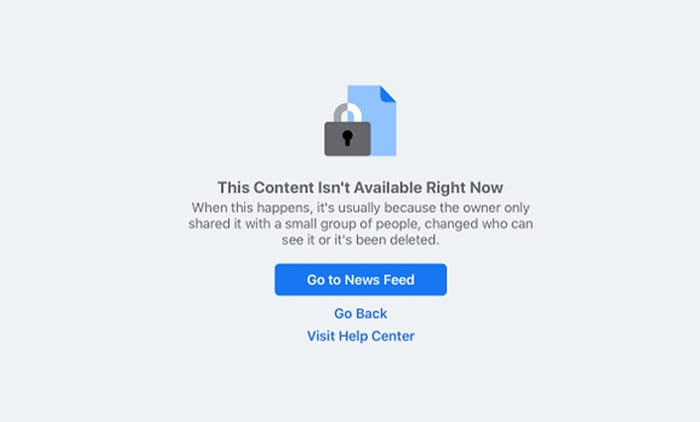
Cloud services began to restrict interoperability, limiting the possibilities for transfer. So instead of having a digital center, we gradually ended up with islands of data rather than a centralized view.
But the disappearance of the analog Internet would have even greater consequences for our daily consumption of digital technology.
The digital hub vision implied that the design elements of our tools would resemble what we had in real life. That design, sometimes called skeuomorphism, evolved. Flat design replaced familiar objects. Modern interfaces exploit the power of computing: an infinite sheet, not divided into pages, is a good example.
The notions of ownership, of duration, of finiteness would disappear, and users would find themselves alone facing infinite possibilities. And with it came the culture of excessive digital consumption that many are trying to curb.
Netvibes, Jolicloud and Polite were attempts to recreate a center for our lives in a world that was becoming less and less comprehensible. But without interoperability obligations, it has become almost impossible to connect to the clouds that own parts of our lives without going through their official apps.
The arrival of ChatGPT has further accelerated the feeling of abstraction.
Our old files are now becoming conversations with chatbots. What we could once move, modify, download is now embedded in a logic, encapsulated in intelligent systems, and therefore hard to access.
What was simple has become abstract.
In a world where intelligence is everywhere, it is now our memory that is failing. Because we are in an unfavorable relationship with the services we use every day. If we know that a document exists in a cloud, the service hosting it knows when it was opened, read, closed. The metadata on how we use our own archives has become the main lever of the cloud platforms. This asymmetry grows every day.
We are now a long way from the iMac of the 1990s and from the utopia of what the analog Internet was supposed to be.
Today's digital experience creates a deliberate distance from our own history.
If in the analog world we could tell the difference between a book from our personal library and a borrowed book we return, there is no longer any boundary between what is part of our digital intimacy and what is an outside element.
That is why apps artificially group or segment our photos in the latest versions of iOS. It is also why it is almost impossible to make sense of Netflix's navigation or to tell it you have already seen a film (there is no way to remove from the list the films we have already seen at the cinema or on DVD).
The deeper you dig into the logic, the more you discover that our personal digital space is now a space to be sold to the highest bidder.
Curiously, instead of saving this analog Internet, the European Commission, with its various regulations, has helped bureaucratize personal space and hasten its disappearance.
The question of access to users' intimacy and their algorithmization has never been treated as a matter of importance. That is the real shame of European regulation. There has never been a position of principle to ban it, only after-the-fact regulation of visible abuses.
Had that been the case, we could have had an incognito mode on our phones and in the clouds, a way of using them that escapes tracking and categorization.
Even in the United States, the champion of the data trade, there is now talk of classifying personal conversations with chatbots as "privileged," on the same footing as those with your lawyer or your therapist.
There are many projects that seek, in one way or another, to rebuild the foundations of an analog Internet. I am thinking in particular of the SerenityOS project and its Ladybird browser.
Can this analog Internet remain compatible with a world dominated by AI and latent space?
Curiously, this subject has never had the place it deserves. What do you think?
Back next week with our newsletters. Remember to subscribe to our paid newsletter!
A selection of links for subscribers
Read the full article
Sign up now to read the full article and get access to all articles for paying subscribers only.


