

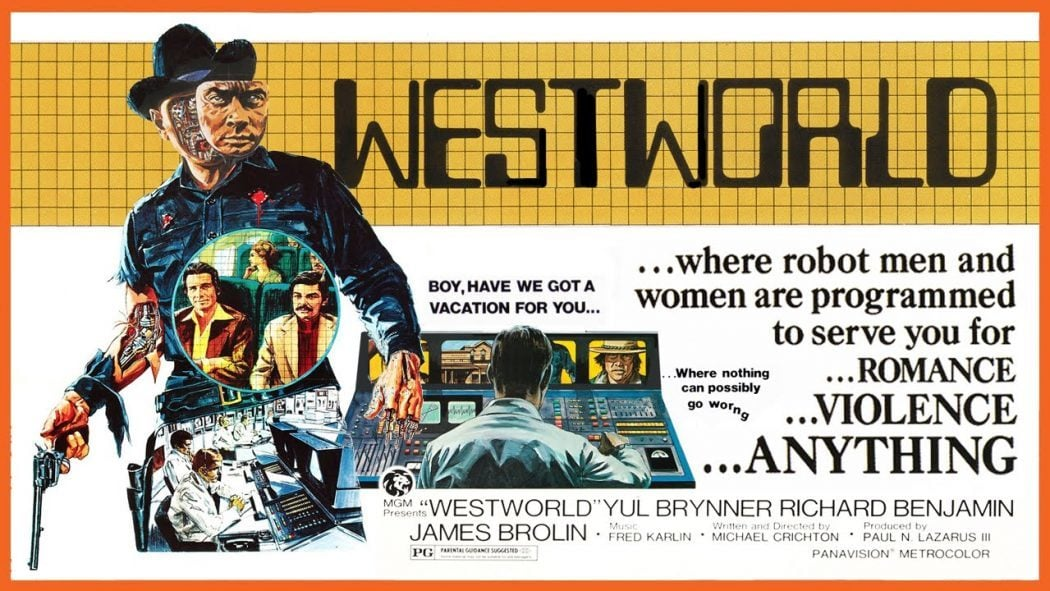
In the series Westworld, Delos is the company that runs the theme parks populated by hosts: robots that are sometimes 3D-printed or, in the older models, humanoid robots with synthetic skin.
Officially, it sells a total immersive experience in which guests can “let off steam” on the hosts. But in reality, its hidden goal is to collect its visitors' most intimate data, analyze it and model their consciousness in order to create perfect digital replicas.
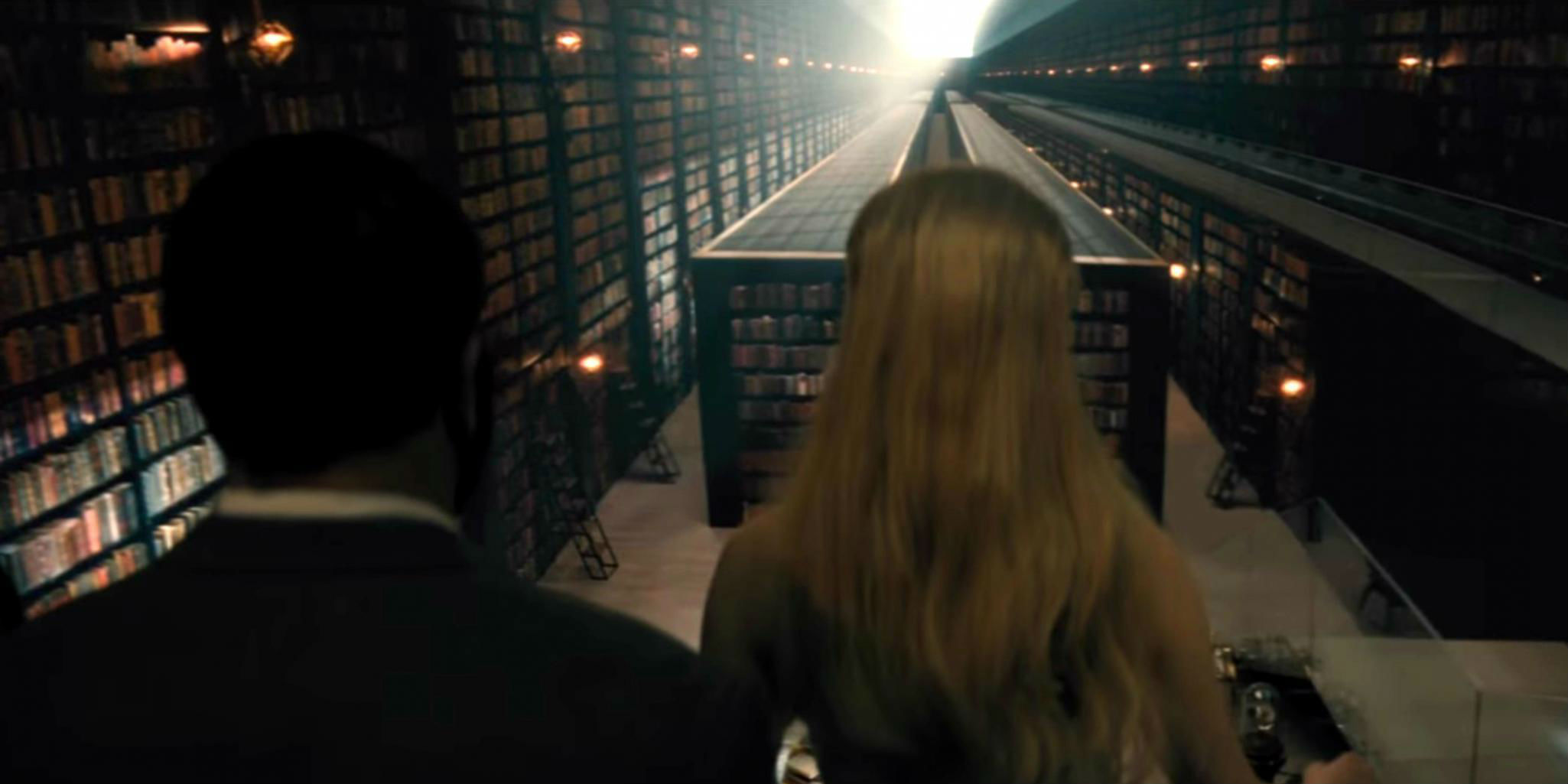
In the series, which is behind OpenAI's repositioning toward the creation of ChatGPT (and Tesla's as well), the “Delos moment” refers to the tipping point where a visible product masks a far more secret and ambitious project.
Michael Crichton, the genius who wrote and produced the film Westworld (whose remake with dinosaurs is Jurassic Park, also written by him), did not choose that company name by chance.
The expression obviously has a historical origin: it comes from the Greek island of Delos, considered sacred in antiquity. On several occasions, the Athenians were required to rid it of every source of impurity and to reorganize it in order to preserve its religious status and its role in the city.
By extension, it refers to the decision to reorganize or isolate an activity so that it can grow freely, without interfering with the rest.
That is exactly what Mark Zuckerberg is doing at Meta.
Let's try to understand what Facebook intends to do with it
(the rest of our analysis is reserved for our paying subscribers).
Read the full article
Sign up now to read the full article and get access to all articles for paying subscribers only.


