Making sense of a digital world that no longer makes sense.
Most decision-makers still operate on assumptions from 2015. Before the Splinternet. Before AI rewrote the rules of information warfare. Before technological dependence became a national security question. The frameworks that got us here won't get us through what's coming.
The Sovereign Way newsletter provides all the tools to navigate this shift and identifies the two paths forward that matter: digital sovereignty and cognitive autonomy.
Created by Tariq Krim, one of the most well-known European entrepreneurs of the Web 2.0 era, and one of Europe's earliest voices on digital sovereignty, long before it became a policy talking point.
The thesis
We have entered a world of pre-war, post-reality, and post-web. Without the manual.
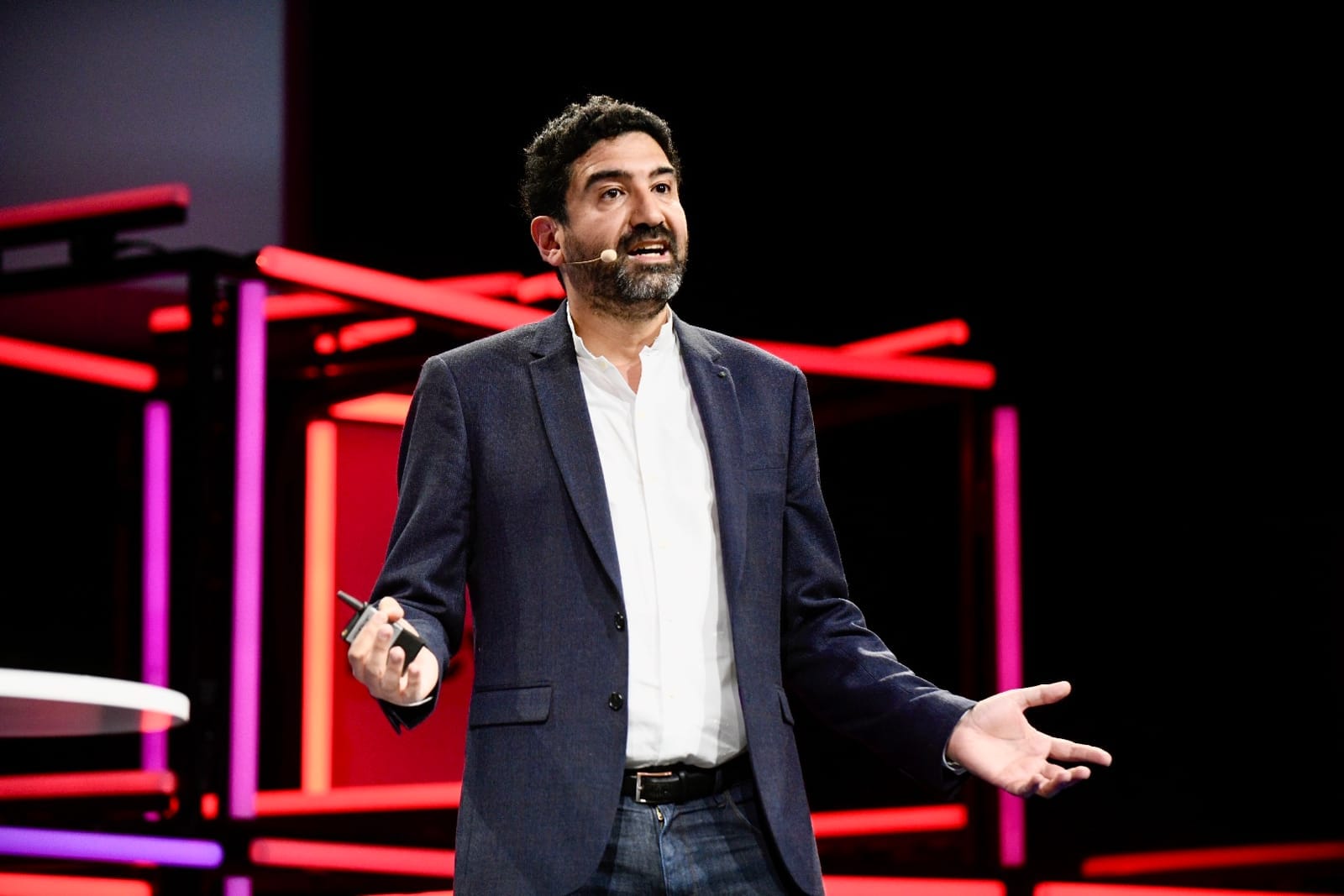
Tariq Krim saw this coming. Twenty years of building products in Silicon Valley and Europe, advising governments, and watching the same pattern repeat: Europe choosing to rent its digital infrastructure rather than own it. That choice, sold as pragmatism, has become a strategic vulnerability.
Now the bill is coming due. Trade deficits. Intelligence exposure. Dependence on platforms that answer to other governments. And an AI race that's redrawing the map of who gets to think independently and who gets fed synthetic consensus.
We can no longer settle for lazy simplifications.
There are only two exits: digital sovereignty, rebuilding the capacity to control our own infrastructure, and cognitive autonomy, preserving our ability to think, create, and decide without intermediation.
Exploring new opportunities
Because The Sovereign Way offers a singular view, it can also explore opportunities and new ways forward.
What could cognitive autonomy look like in a world reshaped by AI, agents (Web 0), and the tension between real and synthetic data?
What alternative models and services are emerging that, in the coming years, could become credible options to regain control of our digital lives?
Born from Cybernetica
The Sovereign Way expands internationally the work started in 2024 with Cyberneticaexpands, a French-language newsletter and think tank reaching 6,000+ decision-makers weekly. Two years of analysis on digital sovereignty and cognitive autonomy, tested against events. Same rigor. Same independence.
What readers say
"Reminds me of a reality we tend to forget: technology decisions are now geopolitical choices. Anticipate or lose your capacity to act." — CTO, European industrial group
"Every edition: a fresh angle, a reference I didn't know, a framework I can actually use." — Investor, Brussels
"Tariq thinks against the grain. He asks the real questions before they become urgent." — Former government advisor
"Three newsletters I read religiously: Ben Evans, Le Grand Continent, and Tariq Krim." — Innovation consultant
About Tariq Krim
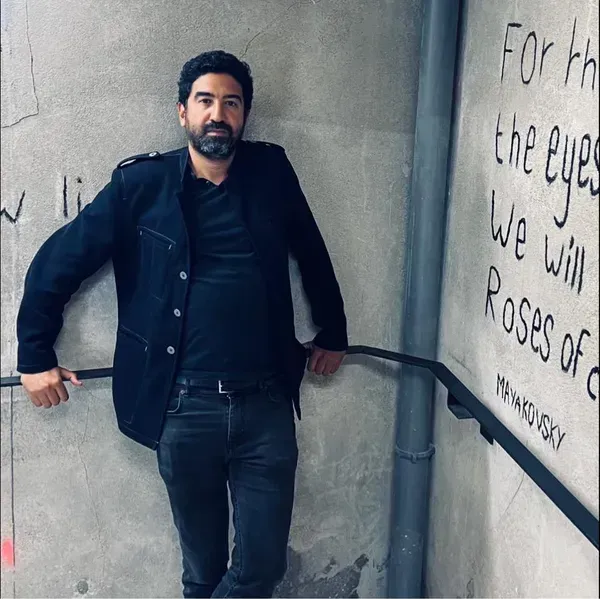
Tariq discovered networks in the early 80s with a modem and a computer, years before the Internet went public. By the 90s, covering the Web's emergence as a journalist by night, he moved to Silicon Valley as an engineer, where he caught the startup bug.
At the turn of the 2000s, his passion for online music led him to defend the European MP3, a European technology against the platformization of music by BigTech. His first digital sovereignty battle.
He created Netvibes (Time Magazine Top 50 Inventions) and Jolicloud (Engadget Best Netbook), reaching tens of millions of users and demonstrating that you could build state-of-the-art platforms in Europe, in Paris. Both were celebrated in Silicon Valley. Neither was supported at home.
In 2006, The Guardian featured him on its cover alongside the founders of Twitter, Flickr, Wikipedia, and WordPress as one of the faces of Web 2.0.
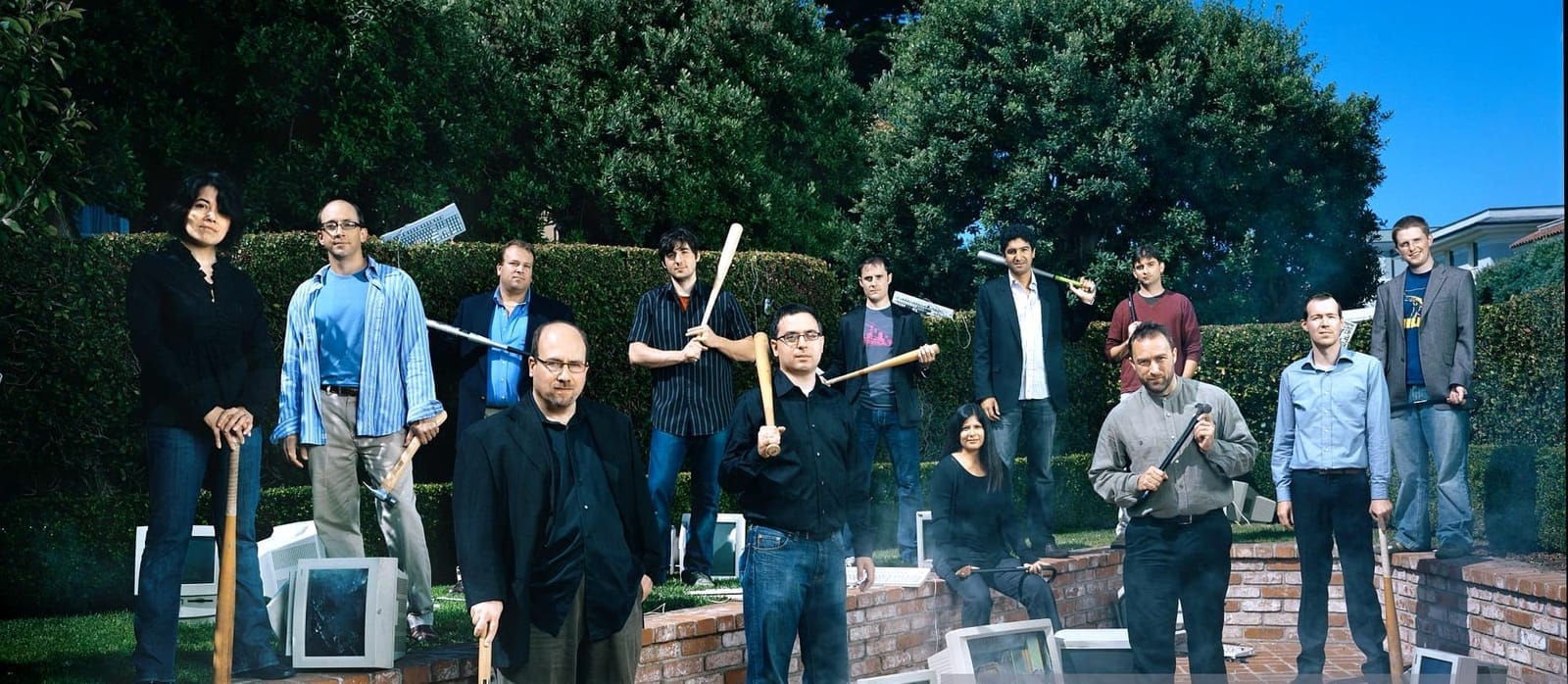
That experience, building sovereign alternatives and watching them ignored by the institutions that should have backed them, shaped everything that followed.
He initiated the eG8 in Paris (2011), the first summit where heads of state engaged directly with digital industry leaders. As vice president of France's National Digital Council, he authored the first government report that placed digital sovereignty at the center of policy, work that contributed to the French Tech initiative, though not to the sovereignty strategy he had advocated.
He launched the Slow Web movement in 2010, identifying the dangers of persuasive design before the term existed. He raised concerns about AI-driven information manipulation in 2014. Dismissed then. Vindicated since.
MIT Technology Review TR35 (2007), first French recipient in the Internet category. Young Global Leader, World Economic Forum (2008).
In 2023, he founded Cybernetica.fr to centralize two decades of thinking on these questions. In 2026, The Sovereign Way extends that work to an international audience.